스팀 대. 전기 수축 터널: 귀하의 포장에 적합한 것은 무엇입니까??
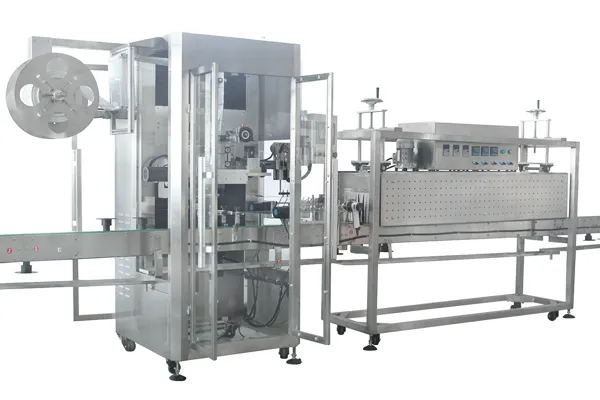
Choosing between a steam and an electric shrink tunnel affects package quality and line efficiency. The wrong match for your container shape and sleeve film can lead to wrinkling, graphic distortion, or higher scrap rates. The decision is not simply wet versus dry heat; it is which heat source fits your products, facility utilities, and output targets.
This guide compares how the two tunnel types transfer heat, which containers and sleeve films suit each method, and what utilities, moisture, maintenance, and changeover factors to weigh. It closes with the information to confirm before you specify a tunnel, so the choice rests on your application rather than a general rule of thumb.
How Do Steam and Electric Shrink Tunnels Work?
Both tunnels move a sleeved container through a heated chamber so the film relaxes and contracts to the container shape. They share that goal but differ in how heat reaches the film, which shapes their operating temperature, 마감 품질, and installation needs.
Steam Tunnels in Brief
A steam tunnel injects pressurized steam from a boiler through banks of adjustable nozzles. The steam envelops the container and condenses on the cooler sleeve, releasing latent heat directly to the film. Because condensation transfers heat efficiently, steam tunnels typically shrink at lower air temperatures. Containers usually exit moist, so a drying or cooling stage is commonly added before final packaging.
Electric Tunnels in Brief
An electric tunnel heats air with elements and circulates it with fans (convection), or uses infrared elements that the sleeve absorbs and converts to heat (radiation). This is a dry process that generally needs higher temperatures and tighter tuning on complex shapes. Installation is usually simpler because it needs a suitably sized electrical connection rather than steam and water infrastructure.
| 요인 | Steam Tunnel | Electric Tunnel |
|---|---|---|
| Heat transfer | Condensation of steam (latent heat) | Hot-air convection or infrared radiation |
| Air temperature | Lower | Higher |
| Exit condition | Moist; drying may be needed | Dry |
| Installation | Boiler, water, drainage, venting | Mainly a sized power supply |
| Best fit | Contoured bodies, full-body sleeves | Simple shapes, moisture-sensitive goods |
How Does Each Method Transfer Heat to the Sleeve?
The heat-transfer mechanism explains most of the practical differences: uniformity on complex shapes, the temperature needed, and how much the process must be tuned.
Condensation Versus Convection and Radiation
Steam delivers heat mainly through condensation. When saturated steam contacts the cooler sleeve, it changes back to water and releases a large amount of latent energy at the film surface. This transfers heat more efficiently per degree than hot air, which is why steam can shrink at lower air temperatures and still cover every side of a shaped container at once.
Electric tunnels rely on convection, radiation, or both. Forced hot air raises the film temperature gradually, while infrared elements emit energy absorbed by the sleeve. These methods are directional and slower to equalize, so shading, cold spots near shoulders, and uneven shrink become more likely unless airflow, element zones, and dwell time are carefully matched to the container.
Why Dwell Time and Speed Matter
In both designs, the container must stay in the heat zone long enough for the film to shrink fully. Because steam transfers energy quickly, it can reach a given result at lower temperature or shorter dwell, which can support higher line speeds on some lines. Electric designs may need a longer dwell or higher temperature for the same conform. Achievable speed depends on the specific container, 영화, and tunnel, so treat throughput as something to verify rather than a fixed advantage of either method.
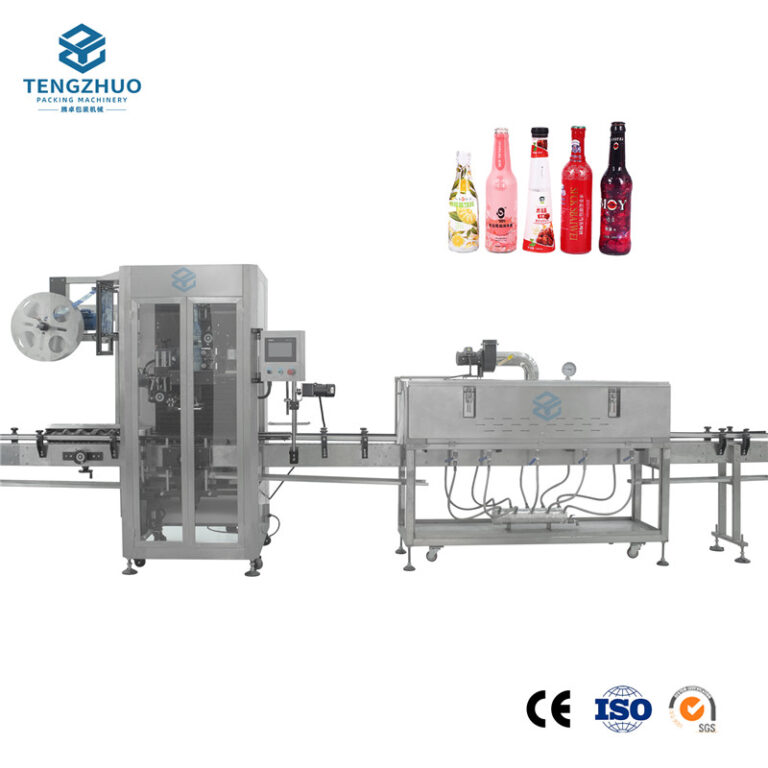
Which Containers and Sleeve Films Suit Each Method?
Matching the tunnel to the film and container is central to a defect-free result. The film’s shrink behavior and the container’s shape set the working window, and both methods can often be made to work, so let measured results on your own film and bottles drive the choice rather than a fixed pairing.
Sleeve Film Behavior
The film strongly influences the usable heat window rather than dictating one method. Both tunnel types can run most common sleeve materials, but each behaves differently, and the practical limit is set by the supplier’s shrink data and your own trial. Behavior differs by film family:
- PVC: A wide shrink range and forgiving processing make it workable in both tunnel types; standard shapes are rarely the factor that decides between them.
- PETG: High-shrink PETG on contoured bottles is often evaluated with steam for wrinkles and fisheyes, but it can also run electrically with close tuning; check the film’s stated window and test your own bottles.
- OPS: OPS shrinks quickly at lower temperatures and suits higher speed, but it is sensitive to heat handling, so the shrink window must be matched carefully on either tunnel to avoid distortion.
- PLA: A bio-based option chosen for sustainability; its temperature window can be narrower than conventional films, so confirm it with the film supplier before leaning toward either method.
Sleeve format also matters. For the differences between shrink-sleeve and pressure-sensitive labeling, see shrink sleeve labels vs. pressure-sensitive labels.
Container Material and Shape
Container material and geometry matter as much as film. How a container responds to heat—warping, thermal shock, or expansion—guides selection more than the container type alone. Thin-walled PET and filled glass can move or craze under heat, so their heat tolerance should set the ceiling for either tunnel rather than assuming one method is safer. Bodies with shoulders, curves, or recesses are harder to cover evenly with directional hot air, which is why they are often evaluated for steam; simpler cylindrical containers are usually less demanding and can run well in either method.
| 애플리케이션 | Steam | Electric |
|---|---|---|
| High-shrink PETG, contoured | Strong fit | Possible with tight control |
| PVC, standard shapes | Suitable | Practical fit |
| Thin-walled PET / filled glass | Lower air temperature | Verify heat tolerance |
| Moisture-sensitive goods | Needs drying step | Well suited (dry) |
How Do Finish Quality and Shrink Consistency Compare?
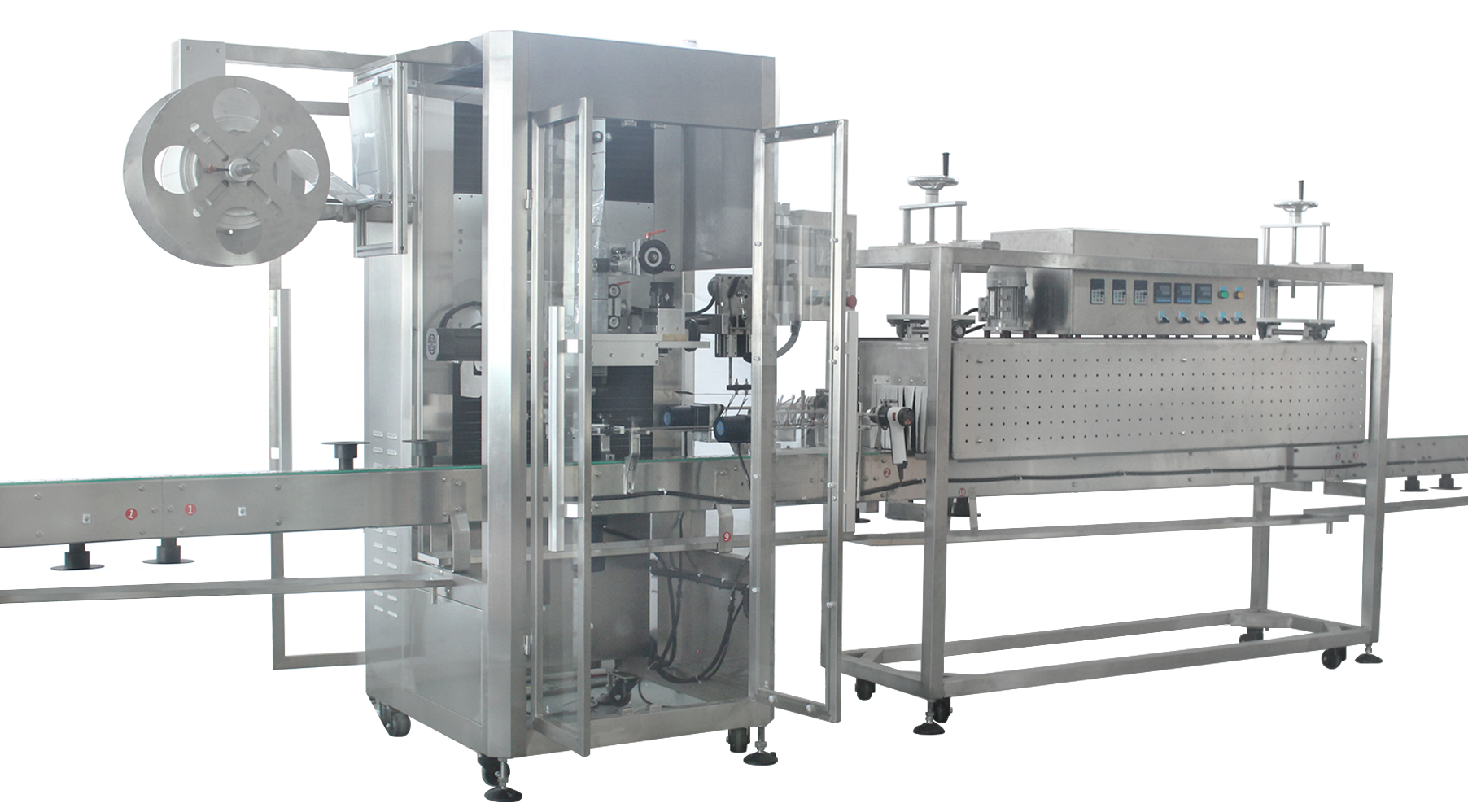
Finish and consistency follow from how evenly heat reaches the film. Uniform condensation supports smooth graphics on complex bodies, while dry heat rewards simpler geometry and careful adjustment.
Steam’s enveloping, lower-temperature heat is often chosen where premium graphics and full-body coverage are important, because it reduces the distortion and wrinkles that uneven heating can create as the sleeve conforms. Even film-to-surface contact helps printed areas hold registration on contoured containers, which is why brand owners with wraparound artwork frequently shortlist steam.
Electric heat can deliver a clean, dry finish on straight-walled containers, but where airflow or radiant exposure is uneven, thin films may show shading, waviness, or incomplete shrink near shoulders and base curves. Multi-zone controls and turbulence management reduce this gap on better-engineered electric tunnels. For both methods, expected appearance should be judged on your own container and film rather than on specification alone.
What Utilities and Installation Conditions Are Required?
Beyond shrink quality, the methods differ sharply in plant utilities. This is often the deciding factor for facilities without existing steam.
Steam Tunnel Requirements
A steam tunnel is a facility project as much as a machine purchase. It needs a steam source, whether an existing plant boiler or a dedicated self-generating unit, plus a continuous water supply and drainage for condensate. Dedicated ventilation must exhaust steam and dissipate heat, and water treatment is commonly required to protect the boiler and control scale. Because a boiler and pressurized piping can fall under pressure-system safety rules in many markets, the facility should confirm the applicable duties, such as those covered by UK HSE guidance on pressure systems, before committing.
Electric Tunnel Requirements
An electric tunnel mainly needs a stable electrical connection sized to the machine’s load, which can be substantial because of the heating elements. It avoids boilers, water lines, steam piping, and condensate return, so site preparation is simpler. Heat extraction and airflow management still matter for a comfortable working environment and repeatable results.
Conditions Shared by Both
Regardless of heat source, each tunnel must integrate with the conveyor for smooth infeed and outfeed, allow clear access for routine service with proper electrical safety clearances, and match its control panel to existing line practices. Confirming these shared conditions early prevents an otherwise suitable machine from underperforming on the floor.
How Do Heat and Moisture Affect the Product?
The sleeve is not the only thing that sees heat and moisture. The filled product, the graphics, and neighboring line equipment can all be affected.
Effect on the Filled Product
Heat that reaches the sleeve also reaches what is inside the container, and how far the product warms depends on dwell time, 채우기 레벨, and the container wall as much as on the heat source. Steam’s efficient transfer at lower air temperature may mean less heat driven into sensitive products, but that is not guaranteed, so heat-sensitive liquids, foods, and cosmetics should be checked on your own line. A dry electric path adds no moisture yet surrounds the goods with hotter air, so products near their thermal limits warrant review. After the tunnel, controlled cooling lets the shrunk film set before handling; a still-warm sleeve can relax or mark under either method.
Effect on Graphics, Inks, and Adhesives
Shrink conditions also reach print and glue. Moist heat can soften certain inks or affect seam adhesives if the process runs beyond the material’s range, while high dry heat can set or crack inks and distort thin film. Where labels, inks, or adhesives are sensitive, both the temperature and the moisture path should be tested on real components before the process is fixed, and any claim about a material’s suitability should come from its supplier rather than from the tunnel type.
How Do Operating Cost, Maintenance, and Changeover Differ?
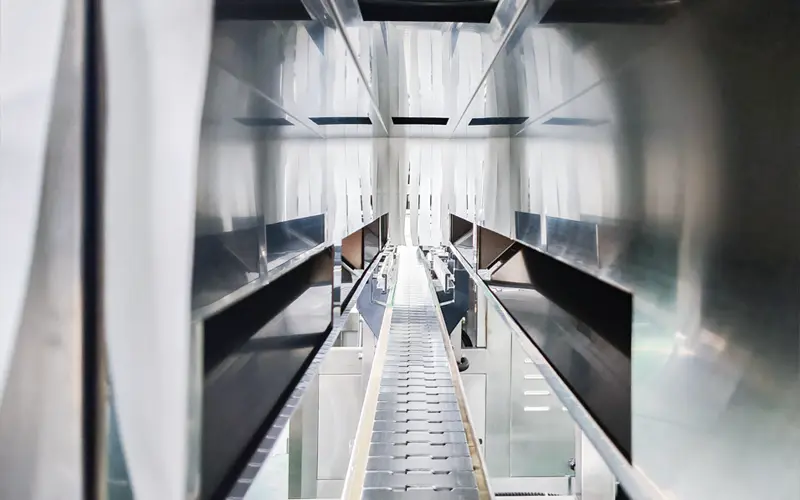
Upfront price is only part of the picture. Utility setup, upkeep, and format changeover shape the running cost of each technology.
Steam setups carry boiler and water-treatment upkeep, condensate handling, and vent inspections, and they may need warm-up time before stable output. Electric setups focus maintenance on elements, fans, filters, and zone controls, and often warm up and change between formats more quickly because there is no steam circuit to bring up to condition.
A total-cost view usually decides the question rather than a fixed rule. A facility with spare boiler capacity may find the running cost of steam attractive, while a site without steam infrastructure may accept a higher electrical draw to avoid installing a boiler altogether. Because element loads, duty cycles, and local tariffs vary, weigh the utility bill and the capital to supply steam against the purchase price rather than assuming which option is cheaper.
Cleaning and Downtime
Housekeeping pushes the two options in different directions. Steam tunnels manage condensate and scale, so water treatment and periodic descaling become part of the routine, while electric tunnels call for clearing film trim, dust, and debris from elements, fans, and filters to keep airflow even. Neither is difficult, but each shapes planned downtime, which matters when preventive maintenance has to fit around production schedules.
What Should You Review Before Choosing a Tunnel?
Purchase price alone, on either technology, does not offset a poor match to your containers and film. Confirm the application facts, then let them drive the technology choice.
Whatever you shortlist, a controlled trial on your actual containers and film is the reliable way to set expectations. The table below summarizes what to place on the table with a supplier before a decision is made.
| Review area | What to confirm |
|---|---|
| 컨테이너 & 영화 | Material, geometry, sleeve type and shrink range |
| Graphics & finish | Print registration, clarity, and acceptable defects |
| Output & 속도 | Required throughput and dwell time per container |
| Utilities on site | Available steam, water, drainage, ventilation, or power capacity |
| Product sensitivity | Heat and moisture tolerance of the filled product |
A practical sequence keeps the decision grounded: run a sample trial on your containers and film to fix a baseline result, agree the sleeve and machine specification in writing (영화, temperature range, 속도, and acceptance criteria), then confirm performance against that approved sample before a full order. Documenting each step protects both buyer and supplier when the line is commissioned.
When you record the outcome, note the specific defect you are guarding against (wrinkling, waviness, or graphic distortion), the conveyor speed and settings that produced an acceptable sample, and the moisture or drying result. That turns a single good bottle into a repeatable specification the whole line can be checked against.
자주 묻는 질문
What is the main difference between steam and electric shrink tunnels?
Steam tunnels condense pressurized steam on the sleeve, delivering even heat at lower air temperatures, which suits complex shapes and full-body graphics but needs boiler, water, and drainage. Electric tunnels use hot air or infrared at higher temperatures as a dry process, with simpler installation but tighter control on contoured containers.
Which tunnel gives a smoother finish on contoured bottles?
Because steam surrounds the container and heats evenly, it generally produces a smoother, more consistent finish on shoulders, curves, and recesses. Electric tunnels can match this on simple shapes but require careful airflow and temperature control on complex ones.
Does a steam shrink tunnel make containers wet?
Containers usually leave a steam tunnel with surface moisture, so a drying stage or cooling section is commonly added before carton packing. Where moisture is unacceptable, a dry electric tunnel is often the simpler choice.
Can one shrink tunnel handle different sleeve films?
Many tunnels can run more than one film once temperature and dwell are adjusted, but each film has its own working range. If you switch between PVC, PETG, OPS, or PLA regularly, confirm the adjustment range and changeover time with your supplier and test each film.
Is a steam or an electric shrink tunnel cheaper to run?
Neither is cheaper in every plant. Where boiler capacity and condensate handling already exist, steam can look attractive; installing that infrastructure for one machine can tip the balance toward electric even at a higher electrical draw. Judge it on total cost, local tariffs, and changeover frequency rather than purchase price alone.
최종 생각
Steam and electric shrink tunnels use different heat-transfer methods, and neither is the best choice for every packaging line. Steam generally provides even heat for contoured containers and full-body sleeves but requires steam, water, drainage, and moisture management. Electric tunnels offer a dry process and simpler utility requirements, although complex shapes may require closer control of airflow, 온도, and dwell time.
Choose the tunnel according to your container geometry, sleeve film, finish requirements, target output, product sensitivity, and available utilities. Test the actual packaging under representative conditions before approving the final configuration. 우리 팀에 문의하세요 with your container, 영화, line speed, and facility requirements to discuss a suitable shrink tunnel for your production line.

계속 읽기
포장 기계 전문가의 더 많은 통찰력을 살펴보세요
랩어라운드, 앞면과 뒷면, 평면 라벨링과 비교
압력 감지 라벨링은 용기 이동 방식과 라벨 데이텀 위치에 따라 구분됩니다.. 세 가지 방법을 비교해보세요, 그런 다음 견적이 필요한 샘플을 보내십시오..
기사 읽기
분말 유동성이 오거 충전에 미치는 영향
입자 사이에 갇힌 공기로 인해 분말이 브리지됩니다., 콤팩트, 그리고 분리하다. 유동성이 오거 선택을 촉진하는 방법, 테스트, 문의사항과 함께 무엇을 보내야 할까요?.
기사 읽기
수축 슬리브 결함: 주름, 왜곡, 및 라벨 걸림
슬리브 결함은 네 그룹으로 분류됩니다.: 수축, 위치, 밥을 먹이다, 그리고 열 손상. 터널 또는 애플리케이터 설정이 변경되기 전에 수집할 증거.
기사 읽기포장 라인을 업그레이드할 준비가 되었습니다?
무료 상담 및 맞춤형 장비 제안을 위해 당사 엔지니어에게 연락하세요. 24 시간.
무료 3D CAD 라인 레이아웃 디자인을 받아보세요
- 공장 직접 가격
- 빠른 처리 시간
- 최상위 글로벌 구성 요소
- 전용 판매 후 지원


