Shrink Sleeve Machine Buying Guide: Container, Film, Tunnel, and Output Requirements

A shrink sleeve line underperforms when the machine is picked before the package is defined. Container geometry, film behavior, and the shrink method are coupled—specify one of them in isolation and the sleeve either will not sit straight or will not shrink clean off the tunnel.
This guide sets out the definitions that actually decide the equipment: the container, the sleeve film, how the sleeve is fed, cut, and placed, how it is shrunk, the output and changeover the line needs, and what to confirm before production and when you request a quotation.
What Container Details Decide the Machine?
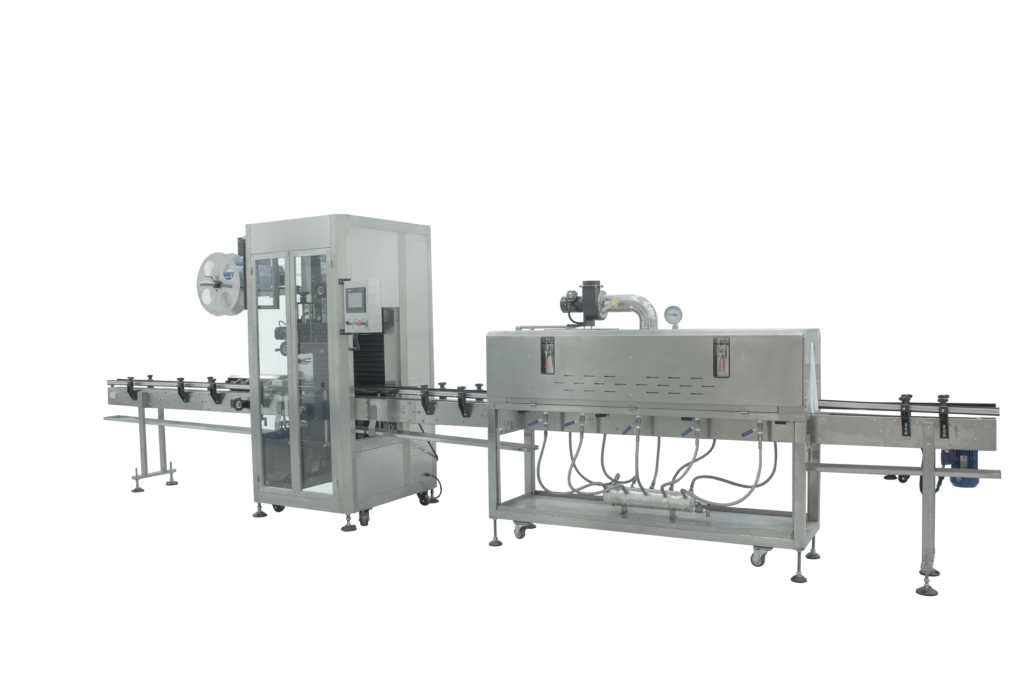
The container is what the sleeve has to conform to, so its shape and size drive the applicator tooling and the tunnel that follows. Fix these before anything is specified:
| Container Detail | Why It Matters |
|---|---|
| Shape and Profile | Round, oval, square, tapered, and contoured bodies shrink differently. Shoulders, recessed grips, and other complex features require suitable film and controlled heat distribution to reduce wrinkling. |
| Size and Range | Container diameter and height define the machine’s operating range. Different formats may require guide adjustments, dedicated change parts, different sleeve lengths, or revised tunnel settings. |
| Material and Heat Sensitivity | PET, HDPE, glass, and metal respond differently to tunnel heat. Thin-walled or heat-sensitive containers generally require gentler, better-controlled heating than rigid containers. |
| Features and Fill State | Seams, sharp edges, recessed areas, and whether the container is filled or empty can affect sleeve placement, container handling, and the required shrink profile. |
Because all four interact, give the supplier real drawings and physical containers rather than a nominal size. The container is usually where the definition starts, but it is the interaction of container, sleeve film, and shrink method that sets the applicator and tunnel, so treat the three as one system rather than a single fixed starting point.
PVC, PETG, OPS, and other shrink films differ in shrink behavior, stiffness, processing range, recyclability, and cost. Select the film according to the container geometry, required shrink ratio, graphics, tunnel type, target market, and supplier specifications. If several films will run on one line, test each container-and-film combination because tunnel settings may differ.
Confirm the lay-flat width, thickness, roll and core dimensions, winding direction, splice conditions, and registration marks with the machine supplier. Obtain shrink data for the relevant temperature range, follow the film supplier’s storage guidance, and confirm that the inks and coatings can withstand the required shrink without cracking, discoloration, or excessive distortion.
What Sleeve Film and Label Specs Must Be Confirmed?
The sleeve is a printed, dimensionally active film, and its specification decides both the feed/cut hardware and the shrink profile:
- Film type: PVC and PETG are the common choices, and they shrink at different temperatures and rates, so the tunnel and its settings are matched to the film you run, not the other way around.
- Print and registration: a plain sleeve is simply cut to length, but a printed full-wrap sleeve has to be cut on its registration mark so the sleeve is cut at the intended position and the printed artwork is aligned consistently on the container.
- Shrink rate and direction: how far and in which axis the film contracts determines whether it conforms to a contour or distorts the print, and it sets the dwell and temperature the tunnel must hold.
- Scoreline or perforation: a tear band or tamper-evident closure needs a clean scoreline, and where that evidence is a regulatory function the design is constrained by more than appearance.
For certain over-the-counter human drug products marketed in the United States, tamper-evident packaging must meet the applicable requirements of the U.S. FDA’s 21 CFR 211.132; whether a shrink band, a perforation, or another feature is suitable should be confirmed for the specific product and packaging system. Note that tamper-evident (a feature showing the pack has been opened) and child-resistant (a closure made hard for a child to open) are separate requirements and are often confused. If you have not yet settled on sleeve versus a pressure-sensitive label, this shrink sleeve and pressure-sensitive label comparison covers where each approach fits.
PVC, PETG, OPS, and other shrink films differ in shrink behavior, stiffness, processing range, recyclability, and cost. Select the film according to the container geometry, required shrink ratio, graphics, tunnel type, target market, and supplier specifications. If several films will run on one line, test each container-and-film combination because tunnel settings may differ.
Confirm the lay-flat width, thickness, roll and core dimensions, winding direction, splice conditions, and registration marks with the machine supplier. Obtain shrink data for the relevant temperature range, follow the film supplier’s storage guidance, and confirm that the inks and coatings can withstand the required shrink without cracking, discoloration, or excessive distortion.
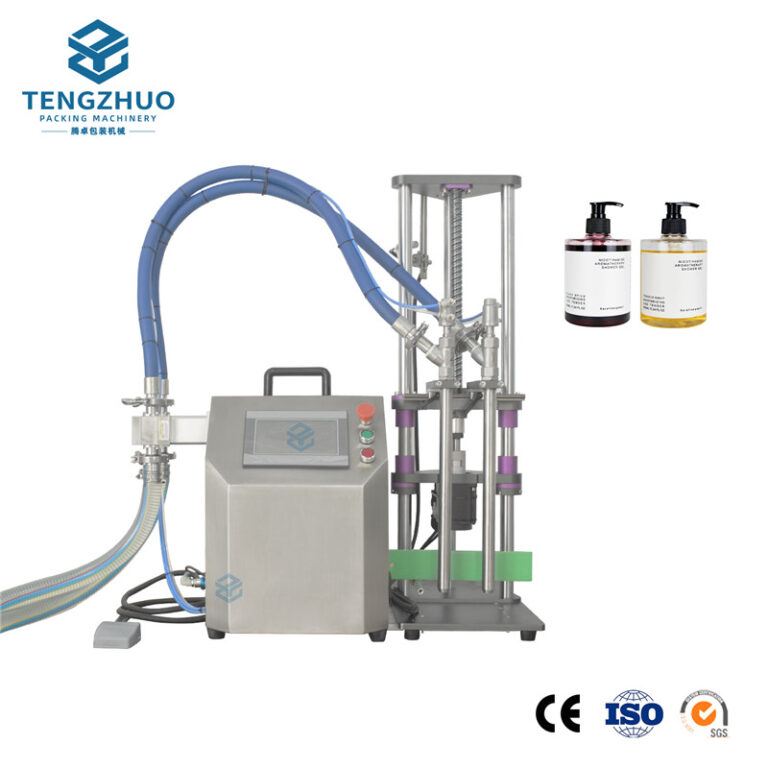
How Are Sleeves Fed, Cut, and Applied?

Between the roll and the tunnel, the applicator has to unwind the film, open and cut each sleeve to length, and place it on the container in time with the line:
- Feed: the machine unwinds continuous lay-flat tubing from the roll and controls film tension as it passes through the feeding system.
- Open and cut: the tubing is opened over a mandrel and advanced to the required sleeve length, and a printed film is positioned by a registration sensor before cutting so every sleeve is cut at the intended position.
- Apply: the cut sleeve is released or driven over the container, after which the container moves on into the shrink tunnel.
Servo-controlled feeding and cutting can support multiple sleeve lengths and help maintain print registration as speed changes, depending on the machine design. Confirm the supported film sizes, sleeve-length range, sensor compatibility, and registration tolerance for the specific model.
Consistent film advancement and synchronization with container movement are essential for correct sleeve length and placement height. If automatic inspection and rejection are needed, define which application faults must be detected, how affected containers will be removed, and how repeated errors will stop or alert the line.
Which Shrink Method Fits the Container and Film?
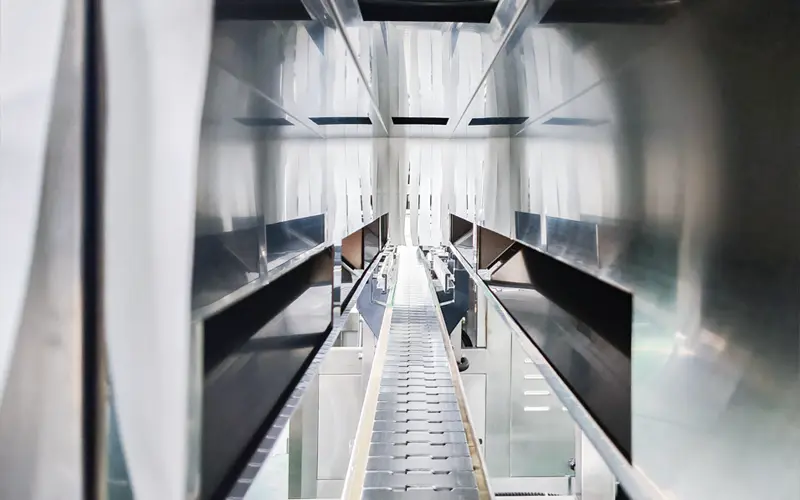
Heat is what turns a loose sleeve into a finished label, and the choice of shrink source follows the container’s heat sensitivity and the throughput you need. The common methods differ in how they deliver that heat:
- Electric / convection tunnels circulate heated air; they are the most common and the simplest to run, but they transfer heat more slowly, so thin or heat-sensitive containers depend on careful zoning and dwell control.
- Steam tunnels can give more uniform heat transfer for some complex profiles and can hold pace at higher output, at the cost of a boiler, water treatment, and the utilities that imply.
- Hot-water tunnels are used for particular package formats where intimate contact helps the sleeve conform; they are not a default third option, and their handling and hygiene demands depend on the machine design and the plant.
Whichever source you choose, the tunnel length, internal zoning, and conveyor have to match the container size and the dwell the film needs—a taller container or a slower-shrinking film needs a longer, better-distributed tunnel, and both ends have to be vented and insulated to stay stable and safe. Plan too for the heat the tunnel rejects into the room and for the ventilation, guarding, and operator access it needs, because a tunnel only holds a repeatable result if it holds a stable profile hour after hour. For the deeper trade-off between the two most-asked-about options, see steam vs electric shrink tunnels.
How Do Output and Changeover Shape the Specification?
Two line-level numbers finish the spec: the speed you have to sustain and how often the line changes format.
Output
The applicator and the tunnel are each rated for a throughput, and the slower of the two sets your real line speed—an applicator paired with an undersized tunnel still bottlenecks the line. Size to the containers per minute you must hold with your own containers, product, and an honest allowance for downtime, rather than to either machine’s nameplate maximum.
Changeover
If the line runs several container sizes, plan the format change the same way you plan the machine. Different diameters and heights need their own size parts and a repeatable setup, so a co-packer or a brand with many SKUs should weight quick-change design and documented recipes over the base price. Sleeve length, cut, and tunnel dwell all shift with the format, and every one of them is a step you have to make fast and reliable.
Ask how the machine behaves at a slow speed as well as a fast one, because a line that has to throttle for a difficult container should still place and shrink acceptably at the reduced rate. It is also worth remembering that the tunnel is rarely upgraded after the fact, so an applicator is best paired with a tunnel genuinely sized to it rather than a nameplate-fast head bolted to a modest one.
What to Test Before Production and What to Send for a Quote

Before a line is released, run it on your own containers and sleeves and inspect the finished product, not just the machine. A sound check covers the points where these systems actually fail:
- Finish: the sleeve conforms to the shoulder and edges without wrinkles, and the print is undistorted and registered within tolerance around the seam.
- Function: where a scoreline or tamper-evident band is specified, it tears and behaves as intended, with no scorching or distortion of a heat-sensitive container.
- Throughput: the applicator and tunnel hold the target line speed together, and a format change on a multi-size line brings the same result each time.
- Sampling: confirm the result after each changeover and at set intervals, so a drifting scoreline or a tunnel that has fallen out of profile is caught while it is still cheap to fix.
- Documentation: record the cut length, registration, and the zone settings and dwell that produced a good sleeve, so a changeover can be replayed and a later fault traced to a specific change.
The same detail you want proven on your materials is what turns an early enquiry into an accurate quotation. A request that leaves out the container, the film, or the output invites a generic proposal that has to be rebuilt later, so send the full package and the physical samples to test against it.
| Information Category | Key Details to Provide |
|---|---|
| Container | Drawings and physical samples for every container, with shape, size range, material, and heat sensitivity; note whether you sleeve filled or empty. |
| Sleeve and Film | Film type, thickness, sleeve length, shrink rate and direction, plain or printed with artwork, and any scoreline or tamper-evident requirement; roll core, width, and orientation. |
| Output and Formats | Required line speed in containers per minute, every format to run with the primary size marked, and changeover frequency and acceptable time. |
| Line and Facility | Layout and available space for the applicator and tunnel; utilities including electrical supply and, for steam, boiler capacity; any upstream/downstream synchronization. |
| Commercial and Support | Quantity and timeline, installation and training needs, spare parts, and any documentation or compliance standards you must satisfy. |
Preguntas frecuentes
How do I choose a shrink sleeve machine?
Define the container first, then the sleeve, then the line. The container’s shape and heat sensitivity, the film and whether it is printed, and your sustained output together decide the applicator, the shrink method, and the tunnel size—so the machine follows from those definitions rather than from a catalog.
Does the film type change the machine I need?
It changes the shrink side most. PVC, PETG, and any alternative film shrink at different temperatures and rates, so the tunnel, its zoning, and the dwell are set to the film you actually run. On the applicator side the main consequences are the lay-flat tube width it must handle and whether a registration sensor is needed for printed film, so settling the film early narrows the machine choices.
Is a printed sleeve harder to apply than a plain one?
Sí, in the applicator. A printed full-wrap has to be cut on its registration mark and placed consistently, which needs a registration sensor and a cut/placement drive accurate enough to hold that position as speed varies. A plain tube on the same machine only has to be cut to length, so if most of your range is plain, that difference lets you specify a less demanding head.
How much does running multiple sizes affect the choice?
A lot, because changeover is where multi-size lines lose time. Every diameter and height shift touches the size parts, sleeve length, cut, and tunnel dwell, so for many SKUs you want quick-change design and repeatable recipes, and you should price the full set of change parts, not just the base machine.
Should I send containers and sleeves to be tested first?
Sí. Shrink results depend on the exact container and film pairing, so a trial on your own materials—checking the finish, the scoreline where one applies, and the print registration at your line speed—is the reliable way to confirm a setup before you order. A trial also exposes tunnel-dwell limits and changeover behaviour that are hard to predict from a specification sheet.
Final Thoughts
A shrink sleeve machine is really two coupled jobs—placing the sleeve and then shrinking it—and both are set by the container and the film you choose. When those are defined precisely, the applicator, the shrink method, and the tunnel size follow, and the common risks of a wrinkled finish or a lost registration can be identified and reduced before the order is finalized.
So write the specification first: containers and their heat limits, the film and whether it is printed, the output you must sustain, and every format the line will run. Send it with physical samples, have the finished result proven on your own materials, and that specification helps the supplier configure the equipment around the package you actually sell.

Continue Reading
Explore more insights from our packaging machinery experts
envolvente, Delante y detrás, y etiquetado de superficies planas comparados
El etiquetado sensible a la presión se divide según cómo se mueve el contenedor y dónde se encuentra la referencia de la etiqueta.. Compara los tres métodos, then send the samples a quotation needs.
Read Article
Cómo afecta la fluidez del polvo al llenado del sinfín
El aire atrapado entre las partículas es la razón por la que los polvos forman puentes, compacto, y segregar. Cómo la fluidez impulsa la selección del sinfín, pruebas, and what to send with an enquiry.
Read Article
Defectos de la funda retráctil: Arrugas, Distorsión, y atascos de etiquetas
Los defectos de las mangas se clasifican en cuatro grupos: encoger, posición, alimentar, y daño por calor. The evidence to collect before any tunnel or applicator setting gets changed.
Read ArticleReady to Upgrade Your Packaging Line?
Get in touch with our engineers for a free consultation and tailored equipment proposal within 24 horas.
Obtenga un diseño de diseño de línea CAD en 3D gratuito
- Precios directos de fábrica
- Tiempo de respuesta rápido
- Componentes globales de primer nivel
- Soporte posventa dedicado


