Máquinas tapadoras al vacío para tarros de vidrio: Lo que los compradores deben comprobar
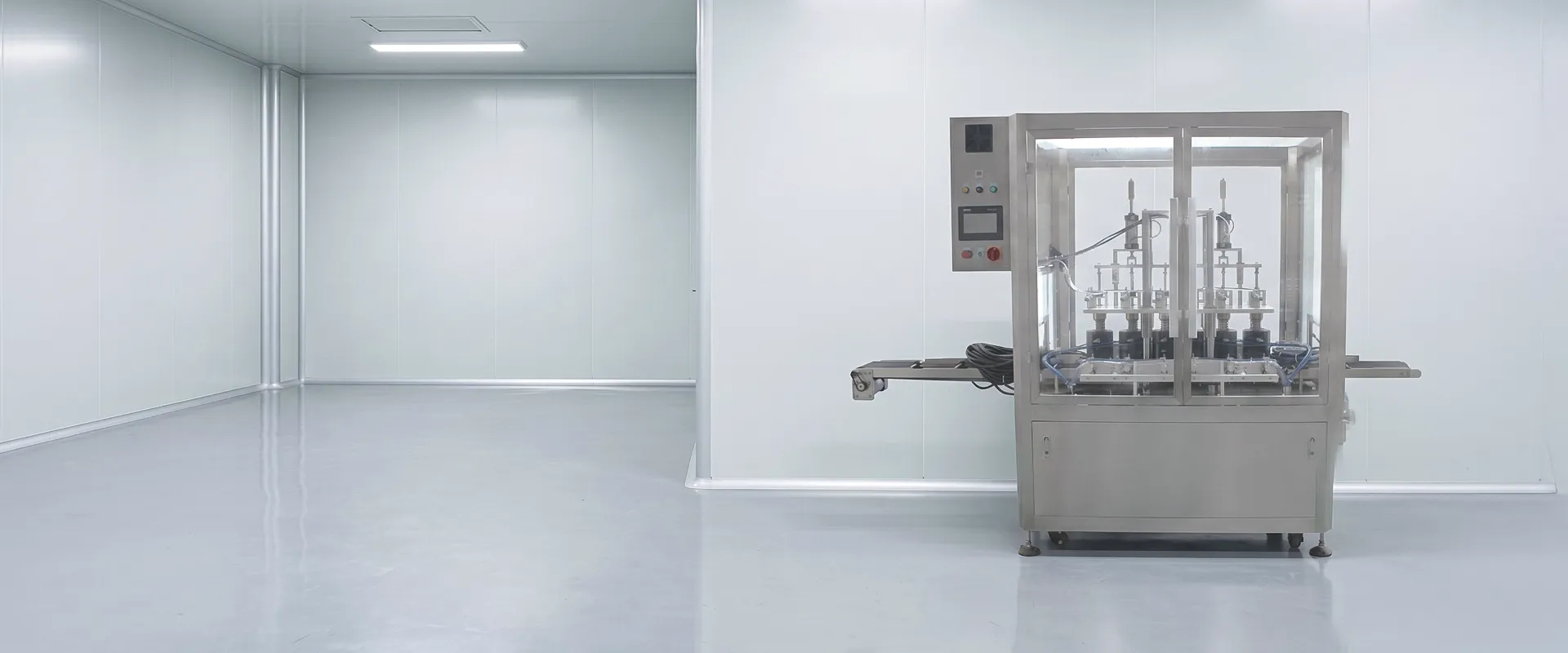
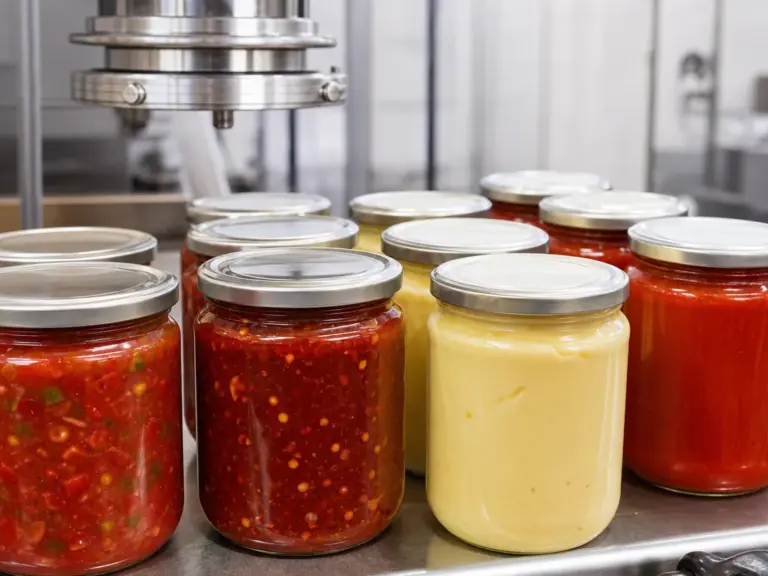
A vacuum capping machine earns its place on three conditions: a container rigid enough to hold the low-pressure side of a seal, a compatible metal lug or twist-off cap with a usable sealing surface, and a filled jar that benefits from a reduced-pressure headspace. Two failures come out of that application and are routinely confused. Low vacuum is a pressure question—the headspace did not reach the setpoint. Poor closure application is a mechanical one—the lid is not holding the vacuum you did achieve. Good vacuum on a contaminated finish still leaks, and a perfect cap on a jar with no vacuum says nothing about the chamber.
This guide covers the verification path: machine function, jar and cap suitability, process conditions, the two fault types, trial checks, and the pre-quotation brief. It does not repeat the general comparison of capping machine types, and it promises no shelf life from the equipment alone.
- Glass and high-rigidity containers only: the builder’s own guidance says standard PET collapses under the chamber’s negative pressure.
- Name the fault before judging the machine: low vacuum, or poor closure application.
- Fix one measurement point, unit, and holding time; the reading shifts as the jar cools.
- Run both size extremes and two lots of jars and caps, then carry those results into the witnessed factory acceptance test (FAT).
- What Does a Vacuum Capping Machine Do?
- Which Jars and Caps Are Suitable for Vacuum Capping?
- How Do Product and Process Conditions Affect the Result?
- What Can Cause Low Vacuum or Poor Closure Application?
- What Should Be Tested During a Jar-and-Cap Trial?
- What Information Should Buyers Provide Before Quotation?
- Preguntas frecuentes
What Does a Vacuum Capping Machine Do?
Define the terms first: Headspace is the volume between the product surface and the seated lid. The neck finish is the threaded glass rim the cap engages; its designation fixes the cap size. A lug (twist-off) cap is a metal closure whose lugs hook under the glass thread and whose sealing compound is pressed against the finish. Vacuum here means headspace pressure below ambient, usually stated in mmHg, inHg, kPa or mbar. A factory acceptance test (FAT) is the witnessed run at which the machine is judged.
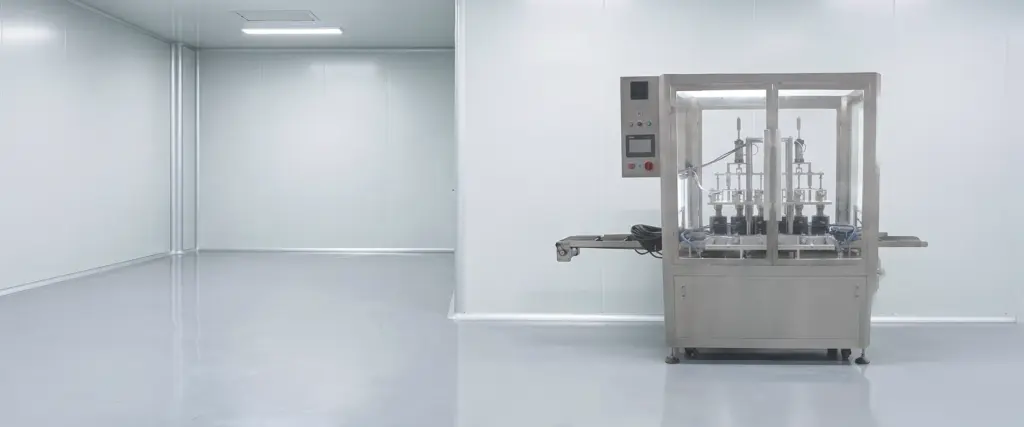
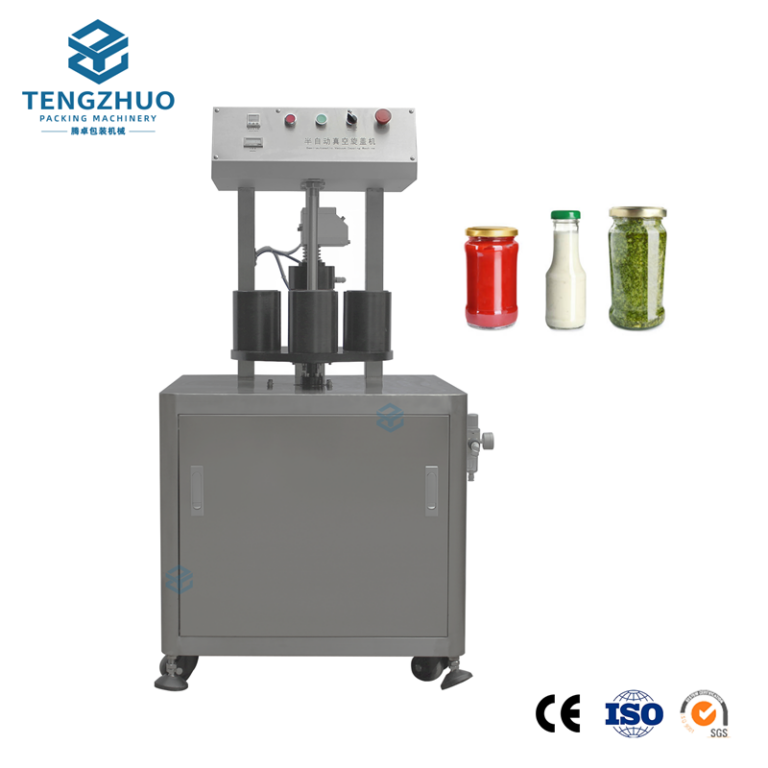
The machine closes a jar under reduced pressure so the container keeps a partial vacuum after the cap lands. The filled jar travels into an enclosed chamber, negative pressure is drawn around it, and a capping head applies the cap before the jar leaves. That pressure difference is what pulls the lid profile down and holds the sealing surface against the finish.
Three design points decide whether the result repeats on your formats:
- Chamber and control. A fully sealed chamber with adjustable negative pressure and a built-in gauge gives a setpoint you can record and re-check. Ask whether a touchscreen setpoint is logged or merely displayed; the first is evidence, the second a prettier dial.
- Format change without molds. Handwheel adjustment across a range replaces a change mold for every jar size, which keeps a multi-format line practical. Tengzhuo states its mold-free adjustment was patented and launched in 2014 and puts a changeover at roughly ten minutes—a supplier figure to test against your own size extremes.
- Closure application. Claws can be pneumatic or servo-driven. Applied torque matters most: lug-closure application guidance treats torque as the difference between achieving a vacuum and losing one, and warns that over-tightening causes high torque-removal problems; not crossing threads is a separate instruction.
A steam injection option flushes the headspace with steam, and vacuum develops as the contents cool and the steam condenses—easier where product is filled hot; cold and heat-sensitive packs need the chamber route.
The machine does not create shelf life by itself: the seal also depends on the jar finish, the cap and its sealing surface, fill hygiene, and the thermal or acidification step behind the product.
Which Jars and Caps Are Suitable for Vacuum Capping?
Evaluation often stops here: the container has to survive being the low-pressure side of a seal.
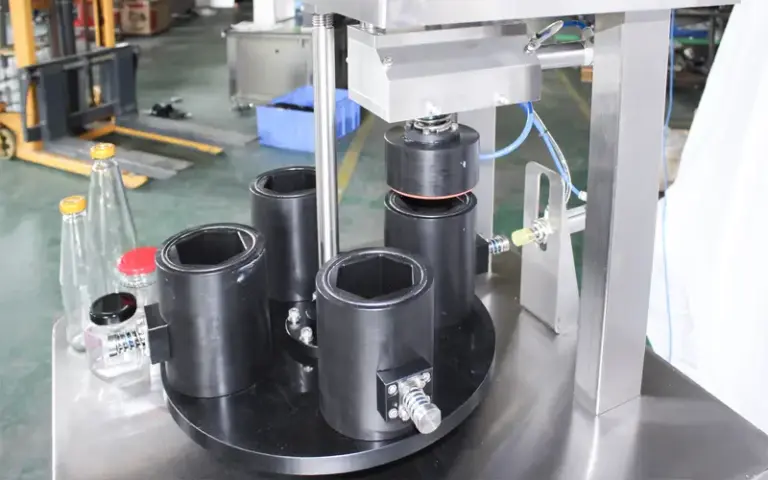
Glass jars are the intended container for the vacuum capping machines in this category, along with other high-rigidity containers. PET and most plastic bottles are generally not suitable for chamber vacuum capping: the builder’s own guidance says the negative pressure a deep chamber draws collapses or distorts a thin-walled body before the cap does useful work. If your line runs PET, ask about hot filling or a conventional screw capping head.
Cap type matters just as much. The application is built around lug closures with a sealing compound held against a glass finish. A cap specified for vacuum use behaves differently from a generic screw closure of the same diameter; evaluate the cap you actually buy. Confirm four details before a trial: neck finish designation and tolerance, cap inner diameter and profile, liner or sealing-compound material, and whether the lug geometry suits the applied torque. Typical lug-closure application guidance gives starting figures—about 10 mm of headspace (roughly 5 % of the overflow), cap pre-heat no higher than 60 °C, applying the cap immediately after filling—but treat those as supplier-typical values rather than defaults, and set your own acceptance numbers from your jar-and-cap specification and process authority.
Size range is a machine envelope, not a preference. Jar height and diameter must sit inside the range the builder declares, and the chamber must be deep enough for your tallest jar plus its headspace. List every format at inquiry; two formats far apart in height are a different conversation from three nested mid-range.
A lid that sealed on one case may sit differently on a jar from another pallet, so trial two lots of each.
How Do Product and Process Conditions Affect the Result?
The machine sets the pressure; the product decides whether the jar holds it.
Fill temperature. Hot filling is the classical route: the headspace contracts as the jar cools, and where steam displaces air the condensing steam does the work. Kansas State’s extension guidance on the hot-fill-hold process applies it to acid and acidified foods heated above 180 °F (82 °C), or a time-and-temperature combination set by a process authority. Fill temperature and the time between filler and capper both change the reading; a jar that cools on a long conveyor loses the advantage before the head lands.
Headspace. Too much means more air to remove; too little risks product reaching the finish before the cap lands. Agree fill volume and headspace with the process you run and check both tolerance ends.
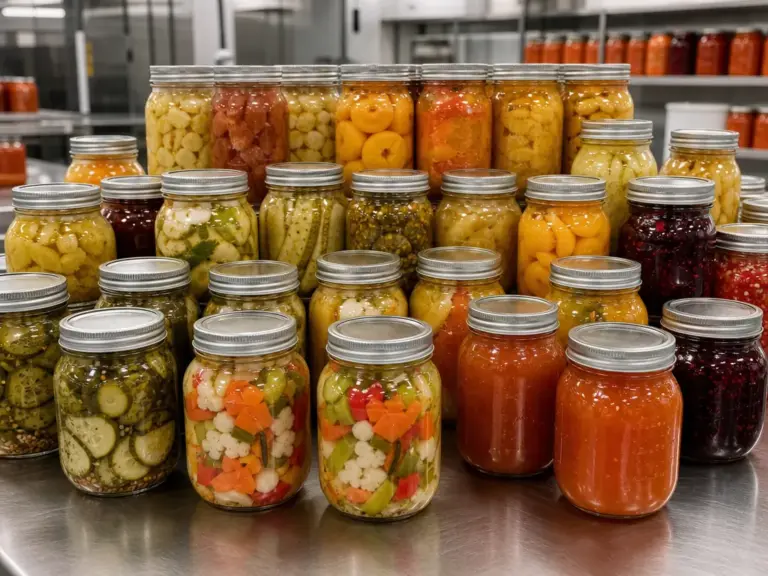
Product character. Viscous sauces trap air; chunky fills leave voids that release later. Oils and high-fat products leave a film on the finish that competes with the sealing compound. Pickles and preserves carry liquid solids, so rim contamination is routine; the filler’s cut-off and transfer to the capper are part of the sealing question.
Process context. Vacuum supports preservation; it does not replace a thermal process or an acidification control. Where a jar is retorted, the schedule is the processor’s documented scheduled process (21 CFR §113.3), at least equivalent to one set by a competent processing authority. Under 21 CFR §114.3, acidified foods are those with a water activity above 0.85 and a finished equilibrium pH of 4.6 or below, with named exclusions such as jams and jellies; the classification carries process and record-keeping duties on a US packer. Confirm applicability through your own regulatory review, not a supplier datasheet.
What Can Cause Low Vacuum or Poor Closure Application?
Keep the faults separate at every step—the two-fault rule. Record which fault you saw, and on which sample, before judging the machine. Applied torque control is covered in how screw capping applies and verifies torque.
| Observed Symptom | What to Check First | Evidence That Confirms It |
|---|---|---|
| Low or absent vacuum after capping | Chamber seal, setpoint and gauge reading, jar temperature, headspace at capping. | A reading at the agreed cycle point against a recorded setpoint, plus jar temperature. |
| Vacuum dropping after cooling or storage | Liner and compound compatibility, finish cleanliness, micro-leaks at the glass-to-metal joint. | Retests at agreed intervals, plus a leak check after transport and stacking. |
| Leaker jars | Product on the finish, filler cut-off, cap handling, whether the pattern follows one lot. | Lot traceability on failed units; leak method agreed in writing before the run. |
| Crossed threads or damaged lugs | Applied torque, claw alignment, cap orientation, head height against jar height. | Torque recorded at the head; finish and cap inspected under defined light. |
| Loose caps or uneven application | Claw condition and pressure, clamping stability, conveyor accumulation, cap supply variation. | Sampling per station and time window, so one weak head cannot hide in the average. |
A reading taken straight after capping is not the number the jar settles at after cooling; Kansas State’s hot-fill guidance says the indicator button can take minutes or hours to settle as the pack cools, so fix the measurement point and unit before the trial and reuse them at the FAT. A gauge on the chamber also reports the chamber, not the jar: verifying a sealed jar needs a separate technique: a lid-piercing tester (destructive to that sample) or a non-destructive instrument. State which your protocol uses.
What Should Be Tested During a Jar-and-Cap Trial?
A representative trial runs your jars, your caps, and a medium that behaves like your product. Six checks cover an acceptance decision—the six-check trial:
- Envelope ends. Run your shortest and tallest jar and the widest and narrowest diameter, so adjustment is proven on the limits, not the middle.
- Vacuum, recorded twice. At the agreed cycle point and again after cooling, from each run segment, with setpoint, gauge, and unit written down.
- Closure quality. Lug or thread engagement, applied torque, and whether any cap shows a mark, distortion, or a lifted dome after the head.
- Leak check. Use the method you will release on—invert, hold, or a leak test—and repeat it after handling and stacking.
- Lot variation. Repeat on a second lot of jars and caps so the setup is proven against incoming variation.
- Changeover timing. Time the format switch with your own operators and record which settings must be re-entered.
21 CFR §113.60(a)(2) names a check specific to this package: for glass containers with vacuum closures, capper efficiency must be measured as cold-water vacuum before actual filling operations, and the results recorded. That is an empty-jar baseline separating machine from product. The same section requires extra visual closure inspections after a jam, after machine adjustment, and after startup from a prolonged shutdown.
Ask the supplier to put its evidence next to yours. Tengzhuo states a facility over 5,000 square meters machining chamber components in-house, Siemens PLCs, a thickened 304/316 stainless frame for washdown, and factory acceptance testing with a vacuum test report and 24/7 video support. Those describe the machine as built; none replaces a witnessed run on your package against your criteria, so name each claim in the protocol and check it.
Locking each stage stops a trial impression becoming an undocumented expectation—the five-stage acceptance path.
| Stage | What You Lock Down | Why It Matters |
|---|---|---|
| Inquiry and trial | Your jars, gorras, product conditions, and target output tested on the machine. | Proves feasibility before commercial terms; exposes a package mismatch early. |
| Approved sample | Passing jars with recorded vacuum, torque, and leak results, countersigned by quality. | Gives the FAT a reference, not an impression of a good seal. |
| Frozen specification | Jar and cap drawings, all formats, measurement point and unit, sampling plan, utilities. | Stops a mid-project format change moving the acceptance target. |
| Witnessed FAT | Run at speed, samples per format, adjustment log, vacuum test report, signed by both parties. | Makes acceptance a documented event protecting the payment milestone and warranty. |
| Delivery and commissioning | Repeated on your line with your lots, plus spares, wear parts, and the support route. | Confirms the result repeats where jars, gorras, utilities, and handling differ. |
What Information Should Buyers Provide Before Quotation?
A quotation means something only once the package and process are described; otherwise you get a tidy specification that is wrong.
| Category | What to Send |
|---|---|
| Glass jar | Drawings of every format, neck finish designation, height and diameter range, samples from two lots. |
| Metal cap | Type, profile, inner diameter, liner or sealing-compound detail, caps from more than one lot. |
| Product | Viscosity and particulates, fill temperature, target headspace, pH where acidification controls, downstream thermal step. |
| Output and line | Jars per hour to sustain, shift pattern, existing filler and conveyor, available steam, air and power. |
| Formats and changeover | Every jar and cap combination, primary size marked, changeover frequency, maximum acceptable time. |
| Acceptance criteria | How vacuum is measured and at which point, leak method, sampling plan per format, who signs. |
Two additions save a round of email: state the vacuum expectation as a value, unit, and measurement point, or say plainly that the trial should establish it, and note whether you need a stand-alone capper, an integrated line, or a semi-automatic setup.
Tengzhuo builds the machines discussed here, so supplier statements read as claims to verify, not measured results. Vacuum values, fill temperatures, and process limits must come from your own package specification and process authority.
Preguntas frecuentes
Can every glass jar use a vacuum capping machine?
Not every one. The jar must sit inside the machine’s declared height and diameter range and take negative pressure without distorting, and its neck finish must match a cap able to seal under a pressure difference. A thin-walled jar, a damaged finish, or a closure without a usable sealing surface will fail; test the jar and cap you buy.
Which cap types are suitable for vacuum capping?
Metal lug and twist-off closures with a sealing compound that can be held against a glass finish. A generic screw cap of the same diameter is not automatically interchangeable, and plastic closures behave differently under chamber pressure. Confirm profile, liner, and lug geometry, then trial the cap you purchase.
Why can vacuum readings vary after capping?
Temperature and headspace are still moving. A jar capped hot keeps drawing vacuum as it cools; trapped air in a viscous or particulate fill releases over hours; and lot-to-lot variation in finish and liner widens the spread. Fix one measurement point, unit, and holding time, then sample per format and run segment.
How should capped jars be checked for leakage?
Agree the method before the trial and run it twice: after capping, and again after cooling and handling. Invert or hold checks, pressure or dye leak tests, and watching whether the dome stays depressed all work. Record failed jars by lot so a leak rate traces to a cap supplier or a fill condition.
How many jars and caps are needed for a representative trial?
Enough that every format is run, adjusted, and sampled repeatedly, in two lots per component, including the extreme sizes, plus spares for leak checks after cooling. Have the builder confirm the quantity against your format list before anything ships.
Final Thoughts
Vacuum capping suits a defined package: a rigid glass jar, a compatible metal lug or twist-off cap, and a process that benefits from reduced headspace pressure. Confirm those three before the equipment conversation; a thin-walled bottle or a mismatched closure ends the evaluation.
Then verify with evidence you can repeat: name which fault you saw, fix one measurement point and unit, run both size extremes and two lots, and carry the approved sample into a frozen specification, a witnessed FAT, and a commissioning run.

Continue Reading
Explore more insights from our packaging machinery experts
envolvente, Delante y detrás, y etiquetado de superficies planas comparados
El etiquetado sensible a la presión se divide según cómo se mueve el contenedor y dónde se encuentra la referencia de la etiqueta.. Compara los tres métodos, then send the samples a quotation needs.
Read Article
Cómo afecta la fluidez del polvo al llenado del sinfín
El aire atrapado entre las partículas es la razón por la que los polvos forman puentes, compacto, y segregar. Cómo la fluidez impulsa la selección del sinfín, pruebas, and what to send with an enquiry.
Read Article
Defectos de la funda retráctil: Arrugas, Distorsión, y atascos de etiquetas
Los defectos de las mangas se clasifican en cuatro grupos: encoger, posición, alimentar, y daño por calor. The evidence to collect before any tunnel or applicator setting gets changed.
Read ArticleReady to Upgrade Your Packaging Line?
Get in touch with our engineers for a free consultation and tailored equipment proposal within 24 horas.
Obtenga un diseño de diseño de línea CAD en 3D gratuito
- Precios directos de fábrica
- Tiempo de respuesta rápido
- Componentes globales de primer nivel
- Soporte posventa dedicado


