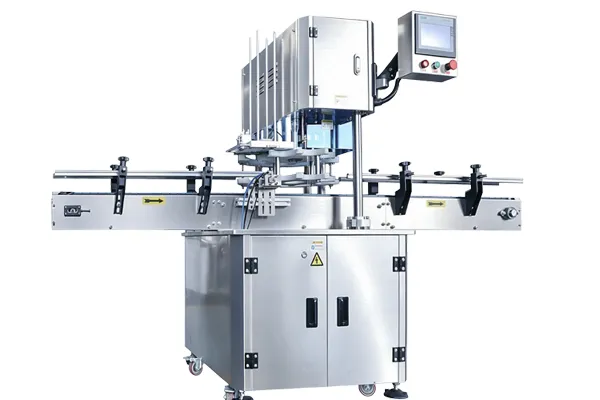
Choosing between a semi-automatic and automatic can seamer affects operator workload, production capacity, changeover requirements, floor-space planning, and line integration. The right automation level depends on how cans and ends are handled, the number of formats produced, and the sustained output required from the complete line.
This guide compares semi-automatic vs. automatic can seamers across labor, container feeding, production output, format changes, utilities, and integration. It will help buyers determine which system fits their current production requirements and future expansion plans.
Semi-automatic can seamers automate the mechanical seaming cycle but usually require manual handling for each can. Automatic systems add synchronized can feeding, end placement, seaming, and discharge for continuous production.
Both systems can produce an acceptable double seam when the can, end, tooling, machine settings, and inspection program are properly controlled. The main differences involve material handling, sustained output, operator workload, changeover requirements, and production-line integration.
| Comparison Point | Semi-Automatic Seamer | Automatic Seamer |
|---|---|---|
| Can and End Handling | Usually requires an operator to load each can, place the end, and start the cycle | Uses synchronized equipment to feed cans, place ends, seam, and discharge containers |
| Production Output | Output is partly limited by manual handling and operator availability | Supports continuous, machine-paced production at a model-specific operating rate |
| Operator Role | Requires direct attention and repeated handling at the seaming station | Focuses on monitoring, material replenishment, inspection, and responding to alarms |
| Format Changeover | May involve fewer handling and conveying components, depending on the design | May require changes to tooling, guides, starwheels, end feeders, and control recipes |
| Line Integration | Commonly used as a standalone or operator-paced workstation | Designed for connection with fillers, conveyors, inspection systems, and downstream equipment |
Although their material-handling methods differ, both machine types use the same basic double-seaming principle. See our guide to the first and second can seaming operations to understand how the body hook, cover hook, and final seam are formed.
Semi-automatic seamers usually require manual handling during each cycle, while automatic systems shift the operator’s role toward monitoring, replenishment, inspection, and changeover.
With many semi-automatic can seamers, an operator places the filled can and end at the seaming station, starts the cycle, and removes the finished container. The exact sequence depends on whether the machine includes assisted lifting, automatic cycle initiation, or discharge features.
Because manual actions are required for each container, output is partly affected by operator pace, material presentation, and work organization. Training should cover correct can and end placement, safe machine operation, routine tooling checks, sample collection, and visual identification of obvious seam defects.
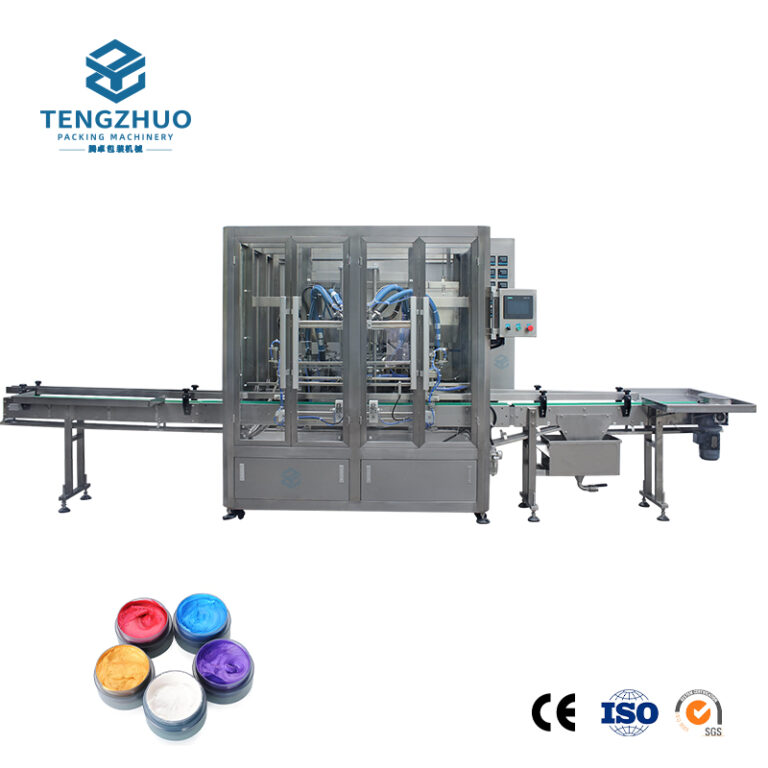
An automatic system uses conveyors and handling components to feed cans, place ends, perform the seaming cycle, and discharge finished containers. Operators normally monitor the control system, replenish ends, collect inspection samples, perform changeovers, and respond to alarms or jams.
Automation can reduce repetitive container handling, but it does not eliminate staffing or quality-control requirements. Personnel still need training in setup verification, HMI operation, line clearance, tooling inspection, jam recovery, and seam-measurement procedures.
Staffing should be determined from the complete line rather than the seamer alone. The required number of operators depends on material replenishment, inspection frequency, changeovers, upstream and downstream equipment, and the level of automated fault detection.
Can seamer output should be evaluated using sustained conforming production, not the machine’s maximum cycle rate alone.
A manufacturer’s rated speed is normally based on defined operating conditions. Actual throughput may be lower when the line handles different can formats, frequent stops, manual loading, inspections, or upstream and downstream constraints.
Buyers should compare the number of conforming cans produced during a representative operating period using the intended cans and ends. The filler, seamer, conveyors, inspection equipment, and packing equipment should be evaluated together because the slowest or least reliable stage may limit total line output.
Gross output includes every can processed, while conforming output excludes rejected or reworked units. Seam inspections should be performed at a defined frequency using the can and end manufacturer’s specifications and the facility’s quality-control procedures.
Relevant checks may include external seam dimensions, body-hook and cover-hook measurements, overlap, wrinkle condition, visible defects, and leak or pressure tests where applicable. Production speed should not be increased beyond the point at which the process can maintain the specified seam requirements.
For thermally processed low-acid foods sold in the United States, closure examination and recordkeeping may also be subject to 21 CFR §113.60 requirements for container closures. Buyers should confirm the regulations applicable to their product category and target market.
When comparing automation levels, buyers should also consider conforming cans per labor hour and the percentage of scheduled production time during which the equipment is operating. Semi-automatic output is influenced by manual loading and unloading, while automatic-line utilization depends on the performance of the complete connected system.
Common causes of lost production time include:
These measurements provide a more realistic basis for comparing semi-automatic and automatic systems than maximum CPM alone.
Changeover flexibility depends on what changes between SKUs. A new label or product may require little seamer adjustment, while a different can diameter or end specification can require tooling and handling-component changes on either system.
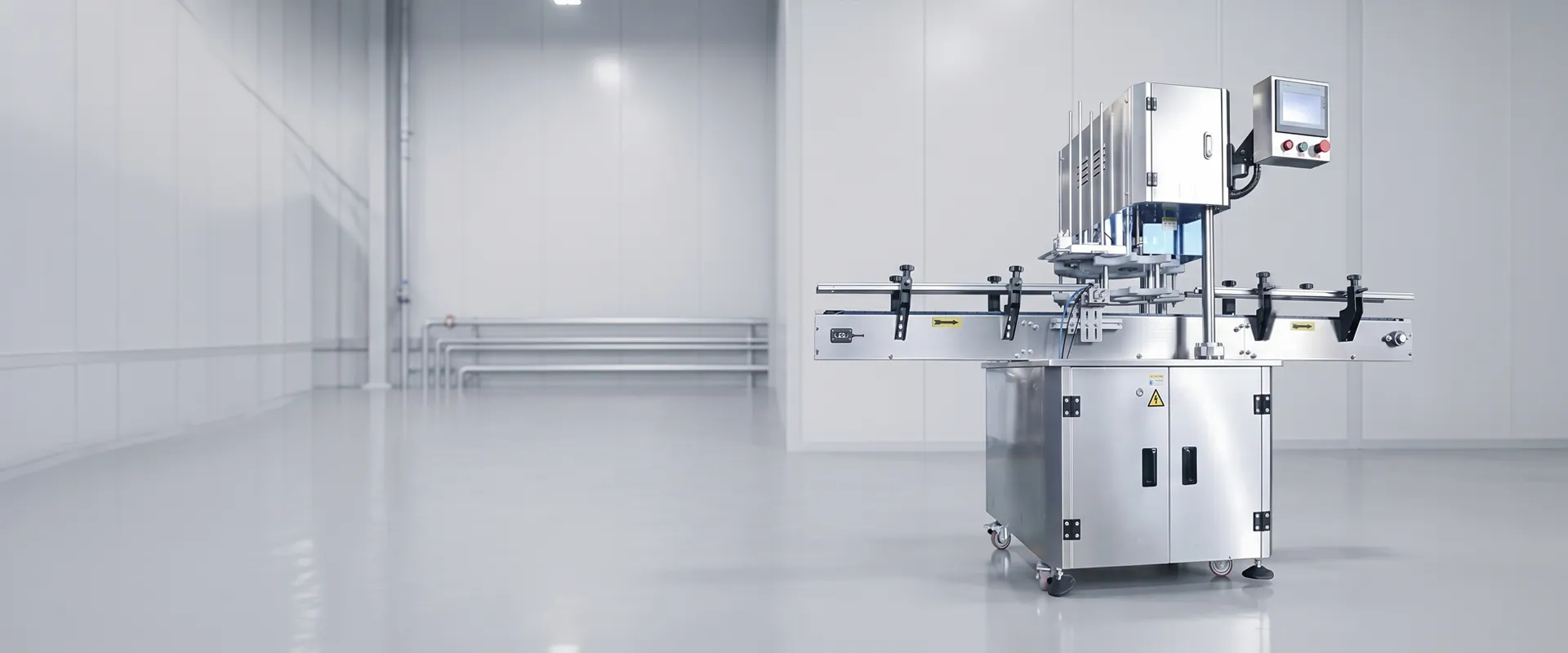
Semi-automatic seamers often have fewer conveying and container-handling components, which can simplify some format changes. They may be practical for short production runs, pilot work, and operations that handle several products in compatible can formats.
However, semi-automatic does not automatically mean tool-free or universally flexible. Changes in can height may require lifter or table adjustments, while changes in can diameter, end diameter, or seam specification may require different chucks, rolls, base plates, or other tooling. The required parts and adjustment procedure should be confirmed for each intended format.
Automatic systems may require adjustments to the seaming tooling, can guides, starwheels, timing components, end feeder, conveyors, and control settings. Recipe storage and powered adjustments can reduce setup work, but they cannot replace mechanical parts when the can or end geometry requires different tooling.
Automatic seamers are generally better suited to longer production runs where higher sustained output offsets the additional setup and verification work. Quick-change features are most useful when the manufacturer clearly defines which settings are recipe-controlled and which components must still be changed manually.
The scope of a changeover depends on the difference between the outgoing and incoming formats:
| Changeover Type | Possible Adjustments | What Should Be Verified |
|---|---|---|
| Product or Artwork | Cleaning and adjustments to other production-line equipment | Whether the can and end specifications remain unchanged |
| Can Height | Lifter height, guides, sensors, and connected conveyors | Can positioning and operating clearance |
| Can Diameter | Guides, base plates, starwheels, and other handling parts | Container stability and tooling compatibility |
| End Diameter or Seam Specification | Chuck, rolls, end feeder, and related setup parameters | First- and second-operation seam dimensions |
| Material or Temper | Machine settings or process-verification requirements | Seam formation and compliance with the component specification |
Buyers should request a format matrix listing every can-and-end combination, the required change parts, the adjustment procedure, and the expected verification steps.
Semi-automatic seamers are commonly installed as operator-paced workstations, while automatic systems usually require additional space and controls for continuous can feeding, end placement, discharge, guarding, and line integration.
A semi-automatic can seamer generally has a smaller machine footprint because it does not require a complete automatic infeed and discharge system. However, the installation area must still include space for the operator, incoming and finished cans, end storage, inspection activities, cleaning, and safe access around the equipment.
An automatic installation may include conveyors, can-spacing devices, end feeders, guarding, control cabinets, inspection equipment, and accumulation. Maintenance access and safe operator movement must also be included in the layout. Buyers should therefore compare the complete operating footprint rather than the seamer dimensions alone.
Utility requirements are model-specific and should not be determined from the automation category alone. Depending on its design, either type of seamer may require electrical power, compressed air, lubrication, vacuum, or other supporting services.
Before ordering, buyers should confirm:
Services such as CO₂ purging, can rinsing, chilled-product supply, and product piping usually belong to the wider filling and packaging process rather than to every automatic seamer installation.
A semi-automatic seamer is commonly used as a standalone workstation where an operator loads the filled can, places the end, starts the cycle, and removes the finished container. Some systems may also include assisted discharge or connections to nearby equipment.
An automatic seamer can be integrated with a filler, conveyors, end feeder, inspection system, and downstream packing equipment. Integration may require coordinated line speeds, container accumulation, interlocked controls, fault signals, emergency-stop circuits, and agreed upstream and downstream interfaces.
Buyers should provide a line layout and interface requirements before selecting equipment. The appropriate system is determined by the complete production flow, not simply by the footprint or rated speed of the seamer itself.
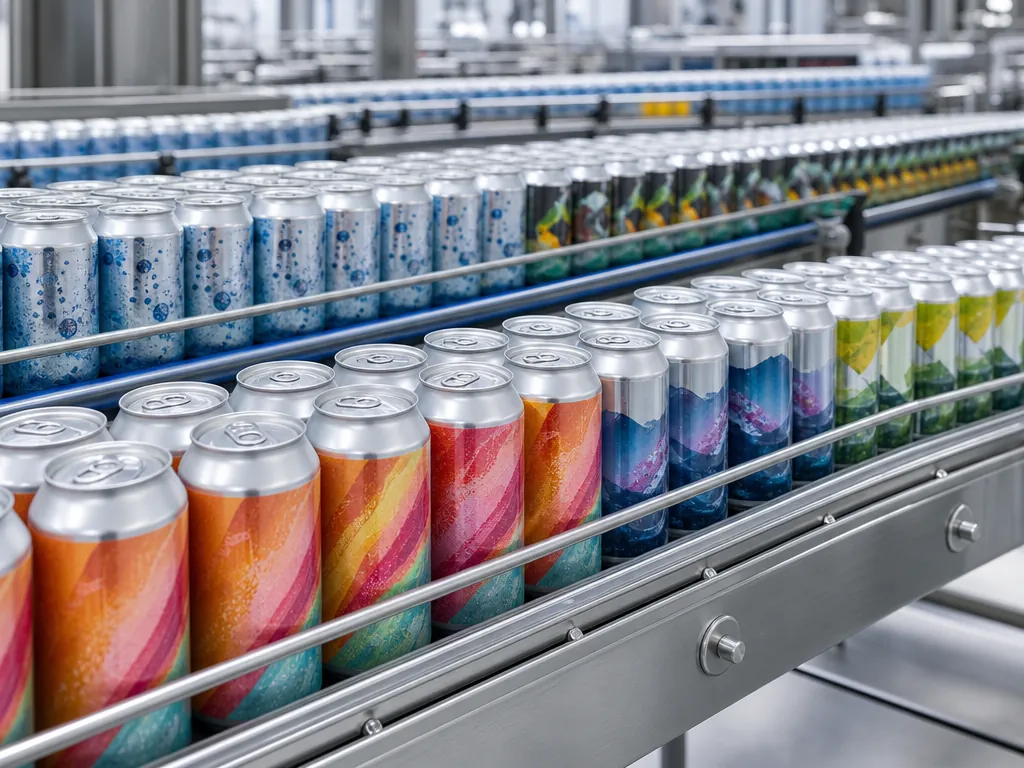
A semi-automatic seamer may suit operator-paced, smaller-batch production, while an automatic system may be more practical when sustained output and line integration justify the additional equipment and setup requirements.
Decision Factor Semi-Automatic May Fit When Automatic May Fit When Production Pattern Production uses smaller batches or operator-paced workflows Production requires longer runs or continuous operation Labor Operators are available for can loading, end placement, and unloading Manual handling limits output or increases repetitive work Line Integration Filling and packing processes are also manual or semi-automatic The seamer must connect with fillers, conveyors, and inspection systems Formats Planned formats can be handled with manageable tooling changes Stable formats are produced for substantial portions of the schedule Investment and Space Initial budget or available floor space is limited Higher output justifies additional equipment, utilities, and floor space
A semi-automatic can seamer automates the mechanical seaming cycle without requiring a complete automatic system for can feeding, end placement, and discharge. It may be suitable for pilot production, craft beverage operations, specialty foods, seasonal products, and other applications organized around shorter runs.
An automatic system becomes worth considering when manual handling prevents the seamer from meeting the required production schedule or integrating efficiently with the rest of the line. The decision should be based on sustained conforming output, labor requirements, changeover time, and the total cost of the complete installation rather than a universal daily-production threshold.
The final decision should compare conforming cans per shift, labor hours, changeover losses, planned production growth, and total project cost for the actual formats being produced.
Once the required automation level, can format, target output, and changeover schedule have been defined, buyers can review our can seaming machines to compare suitable equipment configurations.
A semi-automatic can seamer automates the mechanical seaming cycle but usually requires an operator to load the can, position the end, start the cycle, and remove the finished container. An automatic seamer adds synchronized can feeding, end placement, seaming, and discharge for continuous production. Both systems still require correct tooling, setup, inspection, and trained personnel.
A manual or semi-automatic can seamer is often practical for small batches, pilot production, and operator-paced workflows because it requires less supporting equipment than a fully automatic line. The final choice should still reflect the required output, available labor, can-and-end formats, changeover frequency, floor space, and future production plans.
Many semi-automatic can seamers require an operator to place the can end before starting each seaming cycle. However, the exact workflow depends on the machine configuration, and some systems may include assisted feeding, cycle initiation, or discharge features. Buyers should confirm which handling steps are manual for the specific model being considered.
Both systems may handle multiple can sizes when they are designed with the required adjustments and change parts. A format change may involve the chuck, rolls, base plate, lifter setting, guides, starwheels, or end-feeding components, depending on the machine and the dimensional change. Buyers should provide a complete can-and-end format list and confirm the tooling and setup procedure for every combination.
Some semi-automatic seamers can accept model-specific upgrades, such as assisted discharge, improved controls, guarding, or connections to nearby equipment. Converting one into a fully automatic inline system may require additional can handling, end feeding, conveyors, controls, and safety systems, so a separate automatic machine may be more practical. Buyers should confirm the available upgrade path with the manufacturer before purchase.
The choice between a semi-automatic and automatic can seamer should reflect the complete production process. Semi-automatic equipment may suit smaller batches and operator-paced workflows, while automatic systems may be more appropriate when sustained output, reduced manual handling, and line integration justify the additional investment and infrastructure.
Before selecting a model, compare the intended cans and ends, required output, changeover schedule, available labor, facility layout, utilities, and inspection requirements. Review our technical catalog or contact our team with your production specifications to identify a suitable can seaming configuration.


