What Causes Filling Machine Accuracy Issues in Production?
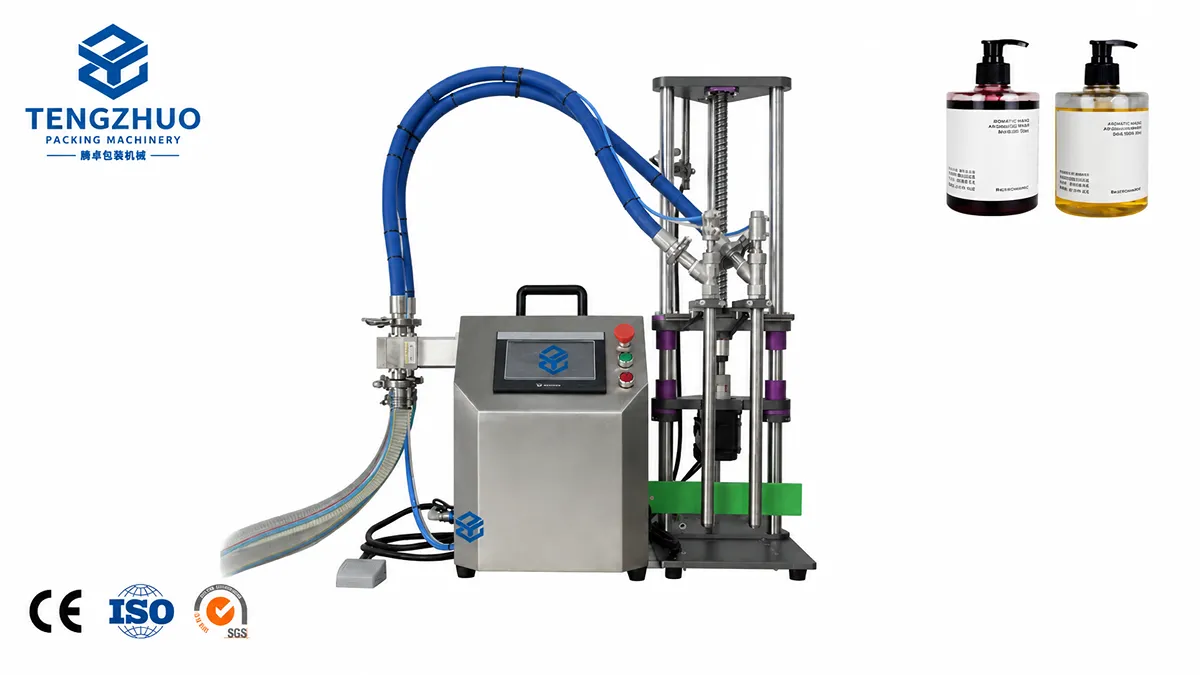
Poor filling machine accuracy can lead to inconsistent fill weights, product waste, and compliance risks during production. These issues are often caused by more than operator mistakes—they can result from product variations, machine settings, component wear, or unstable container handling.
At Tengzhuo, we help manufacturers improve filling consistency with filling solutions designed around product characteristics, container requirements, and production needs. Our filling machines are engineered to provide reliable performance for different applications, helping businesses reduce waste and maintain stable production quality.
What Does Filling Accuracy Mean in Production?
Filling accuracy refers to how closely the actual amount of product filled matches the target fill value. It helps manufacturers maintain product consistency, reduce waste, and meet quality requirements by keeping fill variations within acceptable limits.
The Core Principle: Target vs. Actual Fill
In production, filling accuracy is measured by comparing the actual filled amount with the target value, either by weight or volume. A filling process is considered accurate when the average fill is close to the setpoint and individual units remain within the specified tolerance range.
Accuracy vs. Precision
Accuracy and precision describe different aspects of filling performance. Accuracy measures how close the fill is to the target, while precision measures how consistently the machine repeats the same fill result. The best filling process achieves both—delivering consistent fills that stay close to the required value.
Impact on Cost, Compliance, and Quality
Poor filling accuracy can increase product giveaway, material waste, and production costs. It can also create compliance risks if products fail to meet labeled quantity requirements. Maintaining stable filling performance helps protect product quality and customer trust. When recurring accuracy problems are tied to manual handling or unstable output, manufacturers should assess whether upgrading to an automatic filling machine is commercially justified.
How Accuracy Is Measured
Manufacturers typically monitor filling accuracy through regular weight or volume checks. Common performance indicators include:
- Average fill deviation from the target value.
- Variation between individual fills.
- The number of units outside the acceptable tolerance range.
These measurements help identify process drift and determine when machine adjustments or maintenance are needed.
How Product Properties Affect Filling Accuracy
Even a well-calibrated filling machine can produce inaccurate results if product properties change during production. Variations in viscosity, density, flowability, or moisture can directly affect filling performance. This is why choosing the right filling machine based on product characteristics is essential for maintaining accuracy and production stability.
| Product Factor | Impact on Filling Accuracy | Recommended Control |
|---|---|---|
| Viscosity Changes | Changes in liquid flow speed can cause underfills, overfills, dripping, or inconsistent dosing. | Maintain stable product temperature and select suitable filling technology, such as piston filling for viscous products. |
| Bulk Density Variation | For powders, changes in bulk density mean the same filling volume may contain different product weights. | Monitor powder density and consider net weight filling systems for applications requiring higher accuracy. |
| Powder Flowability | Poor flowability can cause bridging, uneven feeding, and unstable fill weights between containers. | Optimize hopper design, auger settings, and material handling conditions to improve powder flow. |
| Moisture Content | Excess moisture can cause sticking and clogging, while low moisture may increase static and reduce flow consistency. | Control storage conditions and maintain stable humidity levels during production. |
| Air or Foam in Liquids | Entrapped air or foam changes product density and may result in inaccurate volume or weight measurements. | Use proper mixing, deaeration, or product preparation methods before filling. |
High-Precision Packaging for Rapid ROI
Containers and Positioning Affect Repeatability
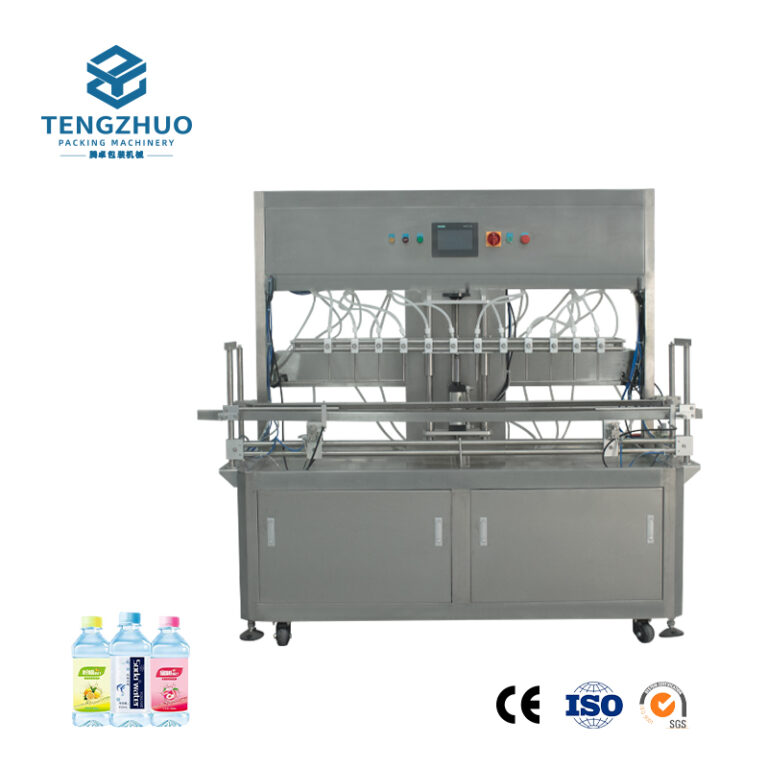
Even with a properly calibrated filling machine, inconsistent containers and inaccurate positioning can reduce fill repeatability. The container must be presented to the filling nozzle in the same position during every cycle; otherwise, variations in alignment can affect fill accuracy, appearance, and production consistency.
How Container Characteristics Affect Filling Accuracy
| Container Factor | Impact on Filling Accuracy |
|---|---|
| Dimensional Variation | Differences in container height, neck diameter, or shape can affect nozzle alignment and create inconsistent fill levels. |
| Unstable Container Design | Tall, lightweight, or uneven containers may shift during filling, causing misalignment, splashing, and reduced repeatability. |
| Material Properties | Thin-wall containers may deform during pressure or vacuum filling, leading to inconsistent fill results. |
How Positioning Systems Improve Filling Repeatability
| Positioning Component | Function in Filling Accuracy |
|---|---|
| Guide Rails and Conveyors | Keep containers moving steadily and prevent incorrect positioning before filling. |
| Timing Screws and Star Wheels | Control container spacing and alignment. Wear or incorrect adjustment can reduce repeatability. |
| Neck Locators and Clamps | Secure the container opening in the correct position for accurate nozzle filling. |
| Pucks and Carriers | Provide stable support for irregular containers and maintain consistent filling height. |
Best Practices to Improve Positioning Accuracy
- Use advanced controls: Servo-driven positioning systems help maintain accuracy during high-speed production.
- Control container quality: Ensure containers meet dimensional requirements before production.
- Maintain positioning components: Regularly inspect and replace worn guide rails, star wheels, and clamps.
- Standardize changeovers: Verify settings and change parts when switching container formats.
Feed Conditions and Material Supply Must Stay Stable
A filling machine can only achieve consistent accuracy when the material supply remains stable. Fluctuations in product flow, hopper level, or environmental conditions can cause inconsistent dosing and increased product waste.
Why Stable Feed Is the Foundation for Accuracy
| Factor | Impact on Filling Accuracy |
|---|---|
| Material Properties | Poor flowability, inconsistent particle size, and moisture changes can cause bridging, clumping, and uneven dosing. |
| Environmental Conditions | Temperature, humidity, and vibration can change material behavior and reduce feeding stability. |
| Hopper Supply Conditions | Unstable material levels or sudden refills can create inconsistent pressure and irregular discharge. |
How to Maintain a Stable Material Supply
- Keep a consistent hopper level: Maintain stable material pressure to ensure repeatable dosing.
- Control production conditions: Manage temperature and humidity to prevent changes in material properties.
- Reduce external disturbances: Isolate feeders from vibration and ensure stable equipment installation.
- Optimize refill processes: Use controlled refill speeds to avoid sudden changes in material flow.
Settings, Calibration, and Changeovers Create Variation
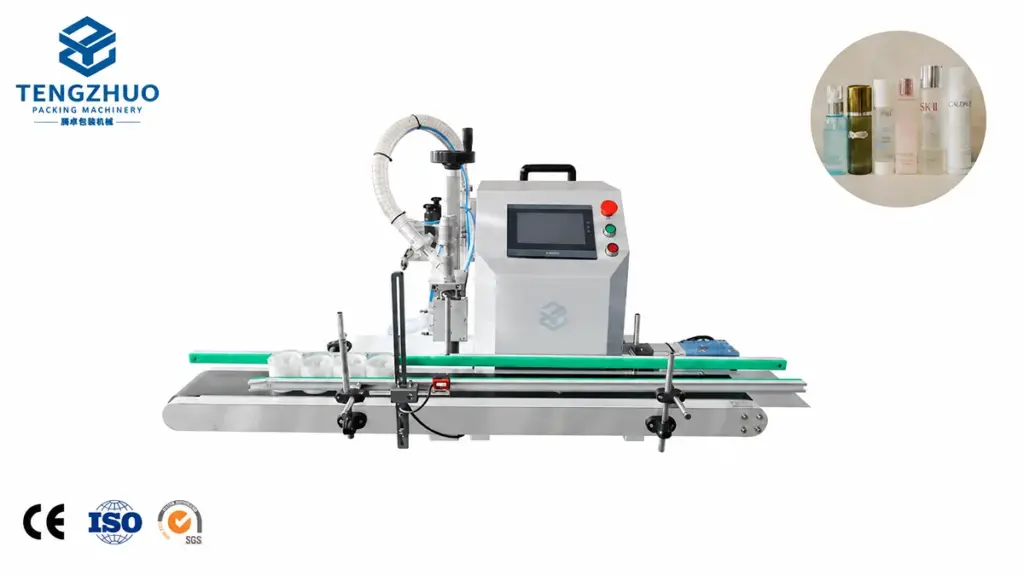
Filling accuracy depends not only on machine hardware but also on proper settings, regular calibration, and controlled changeover procedures. Small process deviations can accumulate over time, causing inconsistent fills and product waste.
How Incorrect Machine Settings Impact Fill Accuracy
Think of machine settings as the direct commands for how much product to dispense. If the commands are wrong, the result will be wrong. Key parameters like fill time, piston stroke, and flow control directly influence the final fill volume. Even small errors in these settings can cause systematic overfills or underfills across an entire production run.
Key Factors That Cause Variation
| Factor | Impact on Filling Accuracy |
|---|---|
| Incorrect Machine Settings | Incorrect fill time, piston stroke, valve settings, or flow control parameters can cause consistent overfills or underfills. |
| Calibration Drift | Wear on pumps, valves, and sensors can gradually reduce accuracy. Regular calibration helps maintain stable performance. |
| Uncontrolled Changeovers | Incorrect settings, incomplete cleaning, or unverified product conditions after changeovers can introduce production variation. |
Best Practices to Reduce Variation
- Verify machine settings: Confirm fill parameters match the product, container, and production requirements.
- Maintain regular calibration: Check dosing components and sensors to prevent accuracy drift.
- Standardize changeover procedures: Validate settings, clean contact parts, and confirm product conditions before restarting production.
Cleaning and Wear Affect Long-Term Filling Accuracy
Product residue and mechanical wear gradually reduce filling accuracy by changing material flow, increasing leakage, and affecting dosing consistency. Without proper maintenance, these issues can lead to unstable fills and unnecessary product waste.
Common Causes of Accuracy Loss
| Factor | Impact on Filling Accuracy |
|---|---|
| Product Residue | Residue on nozzles, augers, pistons, and valves can restrict flow paths and cause inconsistent fills. |
| Component Wear | Worn seals, valves, and dosing parts can reduce equipment performance and create fill deviations. |
| Improper Cleaning | Remaining moisture or incomplete cleaning can affect machine movement and product flow stability. |
Maintenance Practices to Prevent Accuracy Drift
- Clean critical components regularly: Remove product buildup from nozzles, valves, and dosing parts to maintain stable flow.
- Replace wear parts proactively: Inspect seals, pistons, and other high-use components before performance declines.
- Perform routine calibration checks: Verify dosing accuracy after maintenance, product changes, or extended operation.
- Monitor fill performance: Use weight checks and production data to identify early signs of accuracy drift.
Technologies That Improve Long-Term Stability
Modern filling systems can reduce the impact of wear through automated cleaning, feedback control, and improved monitoring. Features such as CIP systems and dynamic weight-check systems help maintain consistent filling performance with less manual adjustment. For manufacturers looking to improve filling accuracy and production efficiency, upgrading to an automatic filling machine can provide better process control, higher consistency, and reduced operator dependency.
Why Powder and Granule Products Require Special Attention
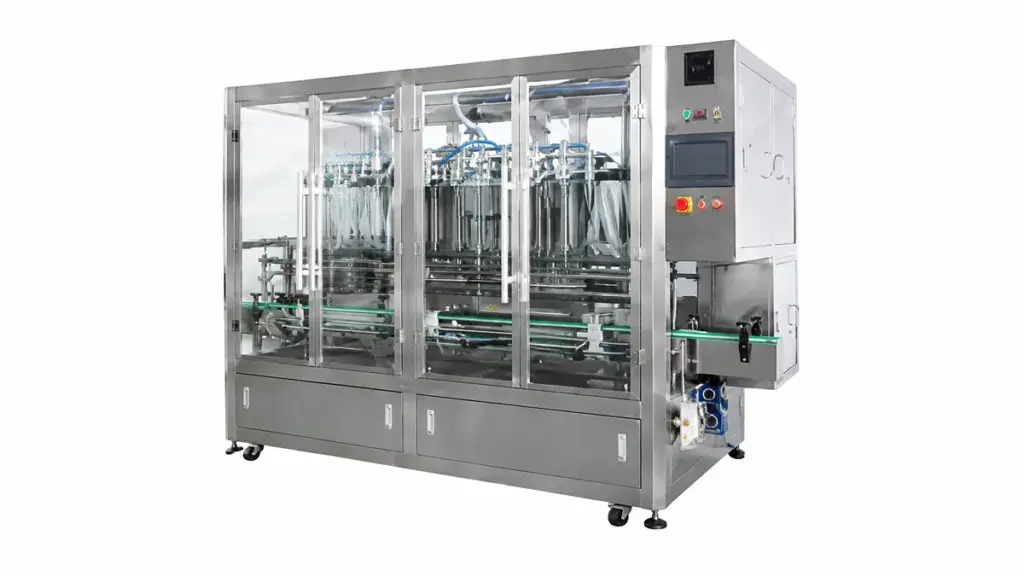
Powders and granules are more challenging to fill than liquids because their physical properties can change during storage, handling, and production. Variations in bulk density, particle size, and flowability directly affect dosing consistency and fill accuracy.
How Material Properties Affect Filling Accuracy
Unlike liquids, powders and granules do not always have a stable relationship between volume and weight. A volumetric filler may dispense the same volume each cycle, but changes in bulk density can cause significant weight variation.
Poor flowability can also create problems inside the hopper. Issues such as bridging, rat-holing, and uneven discharge interrupt the material supply, resulting in inconsistent fills between containers.
Higher Risk of Waste and Quality Issues
Because powder properties are naturally variable, relying only on fixed machine settings can lead to overfills, underfills, and increased product giveaway. This is especially critical for high-value products such as pharmaceuticals, nutraceuticals, and specialty chemicals.
Underfilled products may create compliance risks, while inconsistent fill levels can affect customer perception and brand quality.
How to Improve Powder and Granule Filling Accuracy
To maintain stable performance, manufacturers should:
- Choose the right filling technology: Use gravimetric or hybrid filling systems when density variations have a significant impact on accuracy.
- Control material conditions: Maintain stable temperature and humidity to prevent changes in flowability and moisture content.
- Monitor and recalibrate regularly: Adjust filling parameters when raw materials, batches, or product conditions change.
- Use weight monitoring systems: Inline checkweighers and SPC tracking help detect accuracy drift before it causes excessive waste.
For powder and granule products, filling accuracy depends not only on the machine itself but also on consistent material control and process management.
A Practical Accuracy Troubleshooting Checklist
This checklist helps manufacturers identify common causes, verify machine conditions, and confirm corrective actions step by step.
| Checklist Area | Key Actions to Verify |
|---|---|
| Initial Assessment | Identify the accuracy issue (underfill, overfill, dripping, or drift). Check basic conditions such as power, air supply, product availability, and confirm the correct recipe and settings are loaded. |
| Product & Process Stability | Verify product properties (temperature, viscosity, density, and flowability) are within the expected range. Check that material supply, mixing, and environmental conditions remain stable. |
| Mechanical Inspection | Inspect nozzles, valves, seals, hoses, and dosing components for wear, blockage, or leakage. Confirm container handling parts are properly aligned and stable. |
| Control & Calibration Check | Review machine settings, alarms, and sensor status. Recalibrate key dosing components such as scales, flowmeters, or piston systems when necessary. |
| Testing & Validation | Measure actual fill weights using sampled containers, adjust one parameter at a time, and run a controlled test batch to confirm the correction. |
Frequently Asked Questions
What causes filling machine accuracy issues?
Filling machine accuracy issues are usually caused by unstable product conditions, incorrect calibration, worn components, and inconsistent material supply. Factors such as viscosity changes, nozzle or valve wear, and unstable air pressure can all affect fill consistency.
How is filling machine accuracy measured?
Filling machine accuracy is measured by comparing the actual fill weight or volume with the target value. A common method is to weigh sample containers and analyze results using metrics such as average fill error, variation, and deviation from the target.
Can product viscosity affect filling accuracy?
Yes. Product viscosity directly affects flow behavior and filling consistency. High-viscosity products may cause underfills due to slower flow, while low-viscosity products can lead to overfills, dripping, or splashing. Temperature changes during production can also alter viscosity and reduce accuracy.
Why do powder fill weights vary?
Powder fill weights vary because changes in bulk density, flowability, and moisture content affect how much material is dispensed. Poor powder flow, unstable hopper levels, and compaction or aeration can all cause inconsistent dosing.
How often should a filling machine be calibrated?
Filling machine calibration frequency depends on production conditions and accuracy requirements. In general, calibration should be checked after product changeovers, major maintenance, or when fill accuracy starts to drift. High-precision applications may require more frequent calibration and verification.
What should be checked before contacting the supplier for accuracy issues?
Before contacting the supplier, verify the fill error with accurate measurements, check machine settings and product conditions, and inspect common issues such as worn parts, clogged nozzles, or leaks. Recording these findings helps identify the root cause faster.
Final Thoughts
Filling accuracy depends on the entire production system, not just the filling machine itself. Product characteristics, container handling, machine settings, and regular maintenance all play an important role in maintaining consistent results.
By identifying the root cause of accuracy issues and selecting the right filling technology, manufacturers can reduce product waste, improve production stability, and maintain reliable quality. If you are facing filling accuracy challenges or planning to upgrade your production line, contact Tengzhuo to get a tailored filling solution for your products, containers, and production requirements.

Continue Reading
Explore more insights from our packaging machinery experts
Semi-Automatic vs. Automatic Can Seaming Machines: What Is the Difference?
Compare semi-automatic vs. automatic can seamers by labor, output, changeovers, footprint, and line integration. Choose the right system—request a quote.
Read Article
Types of Capping Machines and How to Choose the Right One
Compare the main types of capping machines, including screw, snap, vacuum, ROPP, and crown cappers. Match your closure and output—request a solution.
Read Article
Shrink Sleeve Labels vs. Pressure-Sensitive Labels: What Is the Difference?
Compare shrink sleeve vs. pressure-sensitive labels by coverage, design, equipment, durability, and changeovers. Choose the right labeling system for your line.
Read ArticleReady to Upgrade Your Packaging Line?
Get in touch with our engineers for a free consultation and tailored equipment proposal within 24 ore.
Get a Free 3D CAD Line Layout Design
- Factory-Direct Pricing
- Fast Turnaround Time
- Top-Tier Global Components
- Dedicated After-Sales Support


